


Stonewashed quilts have gained significant popularity in recent years, not only for their soft, lived - in feel but also for their rustic and charming aesthetic. As a dedicated stonewashed quilts supplier, I've had the privilege of exploring various aspects of these wonderful bedding items, and one of the most fascinating elements is their stitching style.
The Basics of Stonewashed Quilts
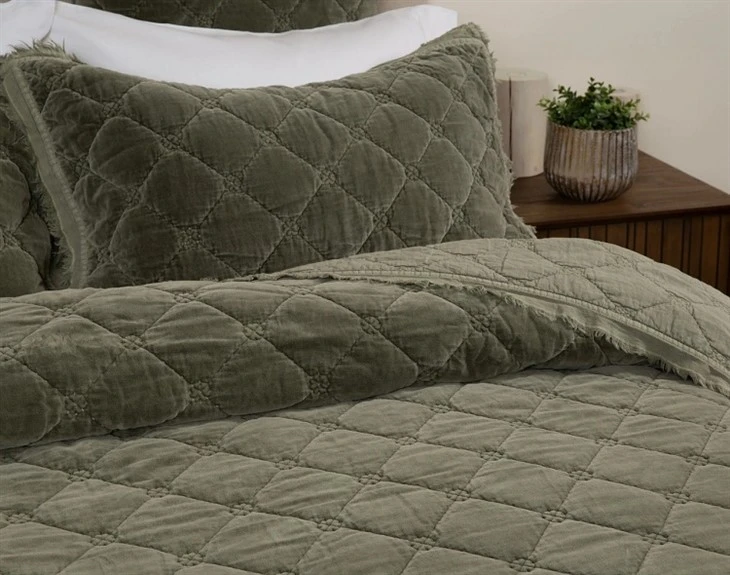
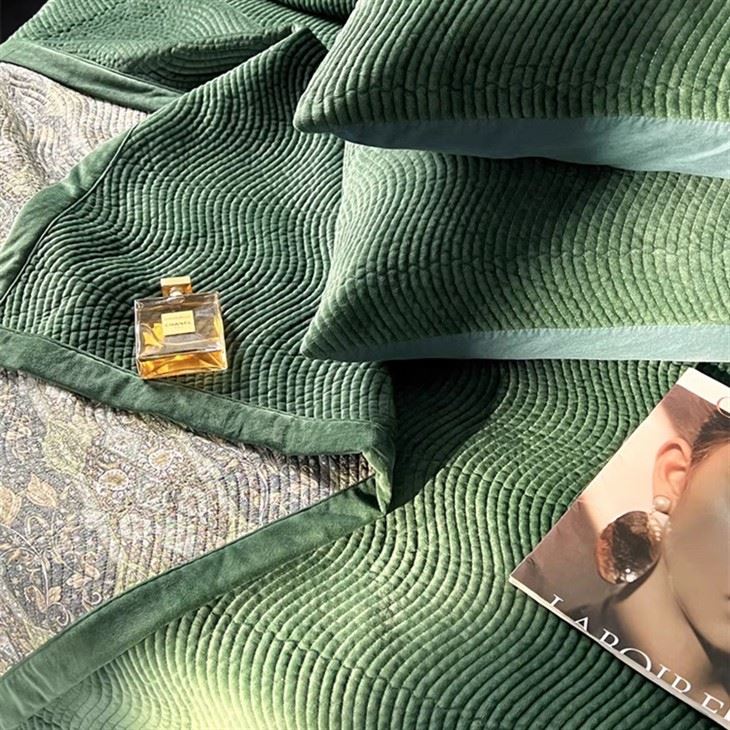
Before delving into the stitching styles, it's important to understand what stonewashed quilts are. Stonewashing is a process that involves tumbling the fabric with stones to give it a soft, faded look. This process not only enhances the texture of the quilt but also gives it a vintage appeal. Stonewashed quilts are typically made from cotton, which is known for its breathability and comfort. They come in a variety of forms, such as Stone Washed Quilt Set, Stonewashed Reversible Bedspread, and Stonewashed Cotton Quilt.
Traditional Stitching Styles
1. Straight Line Stitching
Straight line stitching is one of the most classic and commonly used stitching styles in stonewashed quilts. It involves sewing parallel lines across the quilt top, batting, and backing. This simple yet effective style not only holds the layers together but also adds a clean and structured look to the quilt. The spacing between the lines can vary, from narrow, closely - spaced lines that create a more detailed appearance to wider lines that give a more relaxed and rustic feel.
In traditional stonewashed quilts, straight line stitching was often done by hand, which added a personal touch and a sense of craftsmanship. Today, many quilts are machine - stitched using straight lines, which allows for greater precision and consistency. Straight line stitching can be horizontal, vertical, or diagonal, depending on the design and the desired effect.
2. Patchwork Stitching
Patchwork stitching is another well - known style in the world of quilting. It involves sewing together small pieces of fabric, called patches, to create a larger design on the quilt top. The patches can be of different shapes, sizes, and colors, and they are arranged in various patterns, such as squares, triangles, or hexagons.
In stonewashed quilts, patchwork stitching can add a lot of visual interest and texture. The stonewashing process further enhances the patchwork design by giving the fabric a soft, faded look. The edges of the patches are typically stitched together using a running stitch or a whipstitch, which helps to secure the pieces and create a finished look.
3. Appliqué Stitching
Appliqué stitching is a technique where pieces of fabric are cut into shapes and then sewn onto the quilt top to create a design. The shapes can be anything from simple geometric forms to elaborate floral or animal motifs. Appliqué stitching adds a decorative element to the stonewashed quilt and can make it a true work of art.
There are several methods of appliqué stitching, including needle - turn appliqué, where the edges of the fabric are turned under by hand and then stitched in place, and fusible appliqué, where the fabric is first fused to the quilt top using an iron - on adhesive and then stitched for added security. The stitching around the appliqué shapes can be done using a variety of stitches, such as a satin stitch or a blanket stitch.
Modern Stitching Innovations
1. Free - Motion Quilting
Free - motion quilting is a modern stitching technique that allows the quilter to create intricate and unique designs on the quilt. Unlike straight line stitching, free - motion quilting involves moving the quilt under the sewing machine needle in a free - form manner, creating loops, curves, and other decorative elements.
In stonewashed quilts, free - motion quilting can add a contemporary and artistic touch. The soft, textured surface of the stonewashed fabric provides an ideal canvas for free - motion designs. Quilters can use free - motion quilting to create patterns that mimic nature, such as leaves or flowers, or they can design abstract shapes and lines.
2. Machine - Embroidery Stitching
Machine - embroidery stitching has also found its way into the world of stonewashed quilts. With the advancement of embroidery machines, it is now possible to create highly detailed and complex designs on the quilt top. Machine - embroidery can be used to add monograms, logos, or decorative motifs to the stonewashed quilt.
The stitching in machine - embroidery is typically done using a variety of stitches, such as satin stitches, fill stitches, and outline stitches. The designs can be uploaded to the embroidery machine using a computer, allowing for precise and consistent results. Machine - embroidery stitching adds a touch of elegance and sophistication to the stonewashed quilt.
Choosing the Right Stitching Style
When choosing a stitching style for a stonewashed quilt, several factors need to be considered. First, the overall design and theme of the quilt should be taken into account. For a traditional or rustic - themed quilt, straight line stitching or patchwork stitching may be the best choice. For a more contemporary or artistic quilt, free - motion quilting or machine - embroidery stitching could be more suitable.
Second, the intended use of the quilt should also be considered. If the quilt is going to be used as a decorative piece on a bed or a wall, a more elaborate stitching style, such as appliqué or machine - embroidery, may be appropriate. If the quilt is going to be used for everyday use, a simpler and more durable stitching style, like straight line stitching, may be a better option.
Contact for Purchase and Collaboration
As a stonewashed quilts supplier, I am committed to providing high - quality products with a variety of stitching styles. Whether you are a retailer looking to add stonewashed quilts to your inventory or an individual interested in purchasing a unique and beautiful quilt for your home, I would love to hear from you. We can discuss your specific requirements, including the stitching style, fabric type, and color preferences. Please feel free to reach out for further details and to start the procurement negotiation process.
References
- "The Quilter's Companion: A Guide to Quilting Techniques" by Sally Collins
- "Modern Quilting: Innovative Designs and Techniques" by Jane Smith
- Online resources on quilting and textile arts, including blogs and forums.