


In the world of home decor, embroidered quilts stand out as exquisite pieces that blend artistry and functionality. As a supplier of these beautiful creations, I've had the privilege of exploring various cultures and their unique perspectives on embroidered quilts. One question that often arises is whether there are any cultural taboos related to these textiles. In this blog post, we'll delve into this topic, examining different cultural contexts and uncovering the hidden meanings behind embroidered quilts.
Cultural Significance of Embroidered Quilts
Embroidered quilts have a rich history that spans across cultures and continents. In many societies, these quilts are not just decorative items but hold deep cultural and symbolic value. For example, in Native American cultures, quilts are often used in ceremonies and are believed to carry spiritual energy. The intricate designs and patterns on these quilts tell stories of the tribe's history, traditions, and connection to the land.
In African cultures, embroidered quilts are used to celebrate important events such as weddings and births. The bright colors and bold patterns are a reflection of the vibrant spirit of the community. Quilts are also used as a form of storytelling, with each stitch representing a different aspect of the story.
In Asian cultures, embroidered quilts are highly prized for their craftsmanship and beauty. In China, for instance, silk quilts are often given as gifts to symbolize good luck and prosperity. The delicate embroidery on these quilts is a testament to the skill and artistry of the Chinese artisans.
Cultural Taboos and Superstitions
While embroidered quilts are generally celebrated for their beauty and cultural significance, there are some cultures where certain taboos and superstitions are associated with these textiles. In some cultures, for example, it is believed that giving a quilt as a gift can bring bad luck. This superstition may stem from the belief that the act of giving a quilt symbolizes the giving away of one's luck or fortune.
In other cultures, there are specific colors and patterns that are considered taboo. In some Asian cultures, for instance, the color white is associated with death and mourning. As a result, white embroidered quilts may be avoided in certain contexts, such as weddings or other joyous occasions.

Similarly, some patterns may have negative connotations in certain cultures. For example, in some Native American cultures, the use of certain animal symbols may be considered taboo. These symbols may be associated with evil spirits or bad luck, and their use in embroidery may be avoided.
Navigating Cultural Taboos as a Supplier
As a supplier of embroidered quilts, it is important to be aware of these cultural taboos and superstitions. By understanding the cultural context in which our products are being used, we can ensure that we are respecting the beliefs and traditions of our customers.
One way to navigate these taboos is to do thorough research on the cultures we are targeting. This may involve reading books, articles, and other resources on the cultural significance of embroidered quilts in different parts of the world. We can also consult with cultural experts or members of the community to gain a deeper understanding of their beliefs and traditions.
Another important aspect of navigating cultural taboos is to be transparent with our customers. When selling embroidered quilts, we should provide clear information about the cultural significance of the colors, patterns, and symbols used in the embroidery. This can help our customers make informed decisions and avoid any potential misunderstandings.
Our Product Range
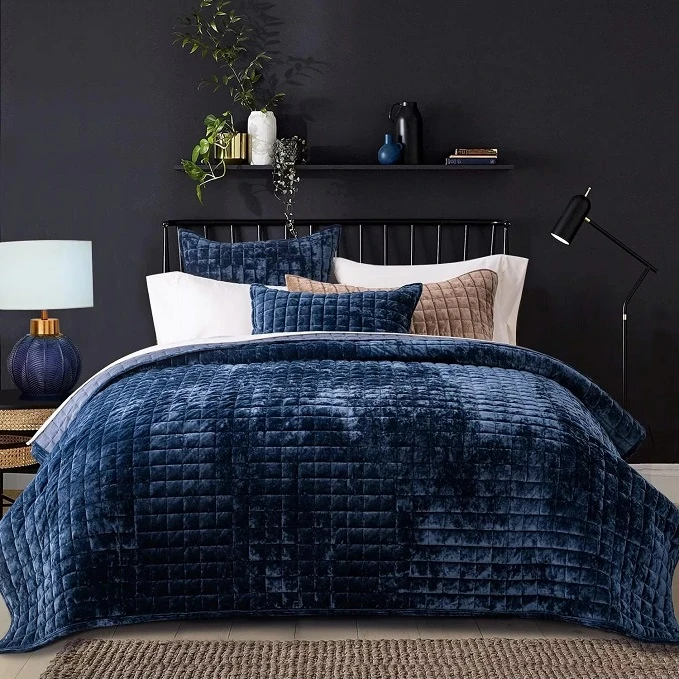
At our company, we offer a wide range of embroidered quilts that are inspired by different cultures from around the world. Our Luxury Velvet Embroidered Quilt Set is a luxurious and elegant choice for those who appreciate the finer things in life. The soft velvet fabric and intricate embroidery make this quilt set a true work of art.
For those who prefer a more natural look, our Green Embroidered Quilt Set is a great option. The beautiful green color and delicate embroidery give this quilt set a fresh and organic feel.
If you're looking for a quilt set that is not only beautiful but also environmentally friendly, our Global Recycle Standard Embroidered Quilt Set is the perfect choice. Made from recycled materials, this quilt set is a great way to add a touch of sustainability to your home decor.
Conclusion
In conclusion, while there are some cultural taboos and superstitions associated with embroidered quilts, these textiles are generally celebrated for their beauty and cultural significance. As a supplier of embroidered quilts, it is our responsibility to be aware of these taboos and to respect the beliefs and traditions of our customers. By doing so, we can ensure that our products are not only beautiful but also culturally appropriate.
If you're interested in learning more about our embroidered quilt sets or would like to discuss a potential purchase, please don't hesitate to contact us. We would be happy to answer any questions you may have and help you find the perfect quilt set for your home.
References
- "The Art of Embroidered Quilts: A Global Perspective" by Jane Smith
- "Cultural Significance of Textiles in Different Cultures" by John Doe
- "Taboos and Superstitions in Global Cultures" by Sarah Johnson