


Art movements have long served as a wellspring of inspiration for various forms of creative expression, and embroidered quilt designs are no exception. As a supplier of embroidered quilts, I've witnessed firsthand how different art movements have left an indelible mark on the patterns, colors, and techniques used in these beautiful textile creations. In this blog post, I'll explore the influence of several major art movements on embroidered quilt designs and how they continue to shape the industry today.
The Renaissance: A Revival of Classical Motifs
The Renaissance, a period of cultural rebirth that spanned from the 14th to the 17th century, was characterized by a renewed interest in classical art, literature, and philosophy. This movement had a profound impact on embroidered quilt designs, as artisans began to incorporate motifs inspired by ancient Greek and Roman art, such as acanthus leaves, scrolls, and mythological figures.
One of the most notable features of Renaissance-era embroidered quilts is their use of rich, vibrant colors and intricate details. Quilters would often use gold and silver thread to add a touch of luxury and opulence to their designs, creating a sense of grandeur and sophistication. These quilts were not only functional but also served as works of art, showcasing the skill and creativity of the artisans who made them.
Today, the influence of the Renaissance can still be seen in many embroidered quilt designs. Quilters may draw inspiration from classical motifs and use them in modern interpretations, combining traditional techniques with contemporary aesthetics. For example, a modern quilt might feature a simplified version of an acanthus leaf design, rendered in bold, bright colors to create a more contemporary look.
The Baroque: Drama and Opulence
The Baroque period, which followed the Renaissance, was characterized by its dramatic, emotional style and emphasis on grandeur and opulence. Baroque art was known for its use of bold colors, dynamic compositions, and elaborate ornamentation, and these elements also found their way into embroidered quilt designs.
Baroque-era quilts often featured large, sweeping curves and elaborate floral motifs, which were used to create a sense of movement and drama. Quilters would use a variety of techniques, such as appliqué and embroidery, to add texture and dimension to their designs, creating a rich, tactile surface.
In addition to their elaborate designs, Baroque quilts were also known for their use of luxurious materials, such as silk and velvet. These materials were often imported from distant lands, adding to the sense of exclusivity and luxury associated with these quilts.
Today, the influence of the Baroque can be seen in many contemporary embroidered quilt designs. Quilters may use bold colors and dramatic compositions to create a sense of movement and energy in their quilts, or they may incorporate elaborate floral motifs and decorative elements to add a touch of luxury and opulence.
The Rococo: Grace and Elegance
The Rococo period, which emerged in the 18th century, was characterized by its light, airy style and emphasis on grace and elegance. Rococo art was known for its use of pastel colors, delicate floral motifs, and asymmetrical compositions, and these elements also influenced embroidered quilt designs.
Rococo-era quilts often featured intricate lacework and delicate embroidery, which were used to create a sense of femininity and refinement. Quilters would use a variety of techniques, such as satin stitch and French knot, to create detailed floral designs and other decorative elements.
In addition to their delicate designs, Rococo quilts were also known for their use of soft, pastel colors, such as pink, blue, and lavender. These colors were used to create a sense of tranquility and serenity, making the quilts ideal for use in bedrooms and other relaxing spaces.
Today, the influence of the Rococo can still be seen in many embroidered quilt designs. Quilters may draw inspiration from the delicate floral motifs and pastel colors of the Rococo period and use them in modern interpretations, creating quilts that are both elegant and contemporary.
The Arts and Crafts Movement: A Return to Simplicity
The Arts and Crafts Movement, which emerged in the late 19th century, was a reaction against the industrialization and mass production of the time. The movement emphasized the importance of craftsmanship, simplicity, and natural materials, and these principles also influenced embroidered quilt designs.
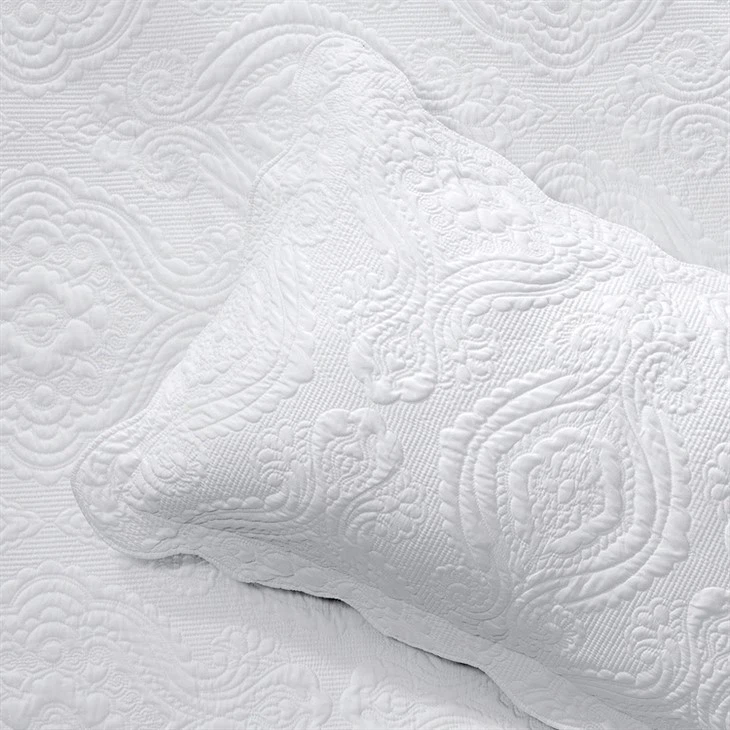
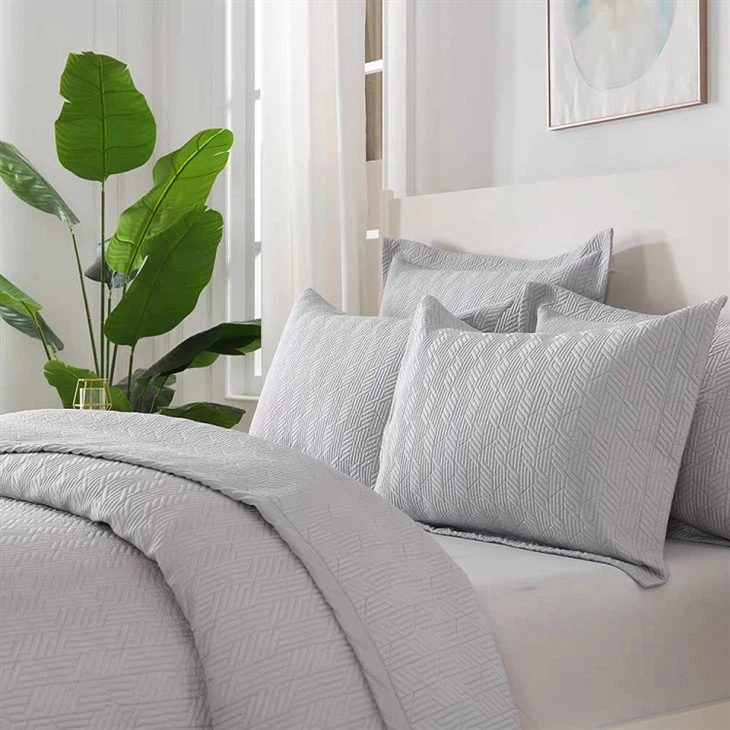
Arts and Crafts-era quilts often featured simple, geometric designs and natural motifs, such as leaves, flowers, and birds. Quilters would use traditional techniques, such as patchwork and embroidery, to create their designs, using natural fibers, such as cotton and wool, to add a sense of warmth and texture.
In addition to their simple designs, Arts and Crafts quilts were also known for their use of earthy colors, such as brown, green, and beige. These colors were used to create a sense of harmony and balance, reflecting the movement's emphasis on nature and simplicity.
Today, the influence of the Arts and Crafts Movement can still be seen in many embroidered quilt designs. Quilters may draw inspiration from the movement's emphasis on craftsmanship and natural materials, using traditional techniques to create handmade quilts that are both functional and beautiful.
The Art Nouveau: Organic Forms and Whiplash Lines
The Art Nouveau movement, which emerged in the late 19th and early 20th centuries, was characterized by its use of organic forms, whiplash lines, and decorative motifs inspired by nature. Art Nouveau art was known for its flowing, curvilinear designs and emphasis on asymmetry and irregularity, and these elements also influenced embroidered quilt designs.
Art Nouveau-era quilts often featured intricate floral motifs and sinuous lines, which were used to create a sense of movement and fluidity. Quilters would use a variety of techniques, such as embroidery and appliqué, to add texture and dimension to their designs, creating a rich, tactile surface.
In addition to their organic designs, Art Nouveau quilts were also known for their use of bold, bright colors, such as purple, green, and yellow. These colors were used to create a sense of energy and vitality, reflecting the movement's emphasis on modernity and innovation.
Today, the influence of Art Nouveau can still be seen in many embroidered quilt designs. Quilters may draw inspiration from the movement's organic forms and decorative motifs, using them in modern interpretations to create quilts that are both contemporary and stylish.
The Modernist Movement: Abstraction and Minimalism
The Modernist movement, which emerged in the early 20th century, was characterized by its rejection of traditional forms and styles and its emphasis on abstraction, minimalism, and functionality. Modernist art was known for its use of geometric shapes, bold colors, and simple, clean lines, and these elements also influenced embroidered quilt designs.
Modernist-era quilts often featured abstract designs and geometric patterns, which were used to create a sense of order and simplicity. Quilters would use a variety of techniques, such as machine embroidery and screen printing, to create their designs, using bold, bright colors to add a touch of energy and excitement.
In addition to their abstract designs, Modernist quilts were also known for their use of new materials and technologies, such as synthetic fibers and industrial dyes. These materials allowed quilters to create designs that were more durable and long-lasting, as well as more affordable and accessible.
Today, the influence of the Modernist movement can still be seen in many embroidered quilt designs. Quilters may draw inspiration from the movement's emphasis on abstraction and minimalism, using geometric shapes and bold colors to create modern, contemporary quilts that are both stylish and functional.
Conclusion
As a supplier of embroidered quilts, I've seen firsthand how art movements have influenced the designs and styles of these beautiful textile creations. From the Renaissance to the Modernist movement, each period has left its mark on embroidered quilt designs, shaping the way we think about and create quilts today.
Whether you're a fan of traditional designs or prefer a more contemporary look, there's an embroidered quilt out there for you. By drawing inspiration from different art movements, quilters can create designs that are both unique and beautiful, combining traditional techniques with modern aesthetics to create quilts that are truly one-of-a-kind.
If you're interested in purchasing an embroidered quilt, I invite you to explore our collection of Cotton Embroidered Bed Quilt Set, Solid Embroidered Cotton Quilt Set, and GRS Certified Embroidered Quilt Set. Our quilts are made with the highest quality materials and craftsmanship, and we offer a wide range of designs and styles to suit every taste and budget.
If you have any questions or would like to discuss your specific needs, please don't hesitate to contact us. We're here to help you find the perfect embroidered quilt for your home or as a gift for someone special.
References
- Gombrich, E. H. (1995). The Story of Art. Phaidon Press.
- Hall, R. (2007). The History of Quilting. Schiffer Publishing.
- Paoletti, J. D., & Richards, G. K. (2012). American Quilts and Coverlets in the Metropolitan Museum of Art. Yale University Press.