


When it comes to creating stunning and luxurious embroidered quilts, one of the most crucial factors to consider is the fabric weight. The weight of the fabric used in an embroidered quilt not only affects its appearance but also its functionality, durability, and comfort. As a leading supplier of embroidered quilts, we understand the importance of choosing the right fabric weight for each unique design. In this blog post, we will explore the different weights of fabrics commonly used in embroidered quilts and how they can enhance the overall quality of your bedding.
Lightweight Fabrics for Embroidered Quilts
Lightweight fabrics are a popular choice for embroidered quilts, especially those intended for use in warmer climates or during the spring and summer months. These fabrics are typically made from materials such as cotton, linen, or silk, which have a lower thread count and a thinner texture. Lightweight fabrics allow for greater breathability, making them comfortable to sleep under without feeling too hot or heavy.
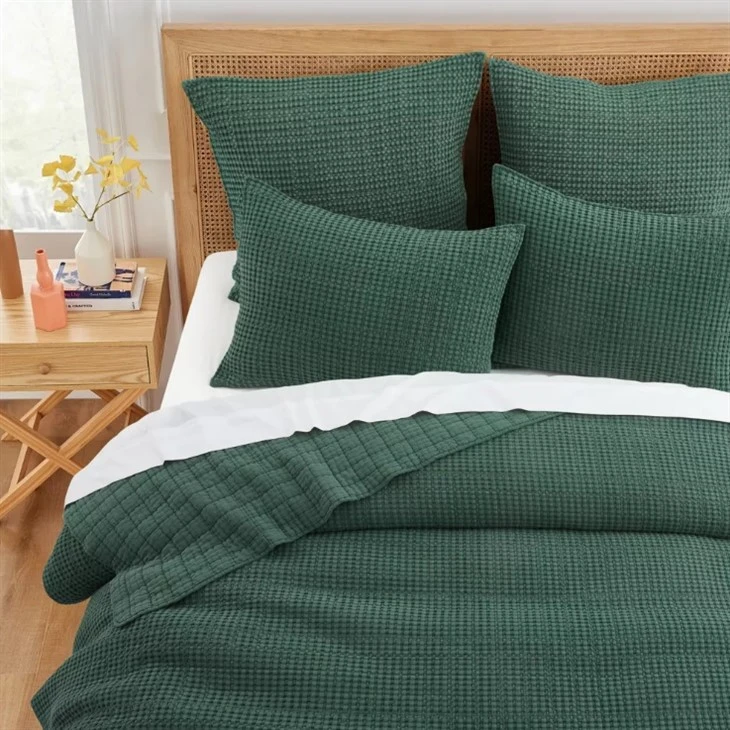
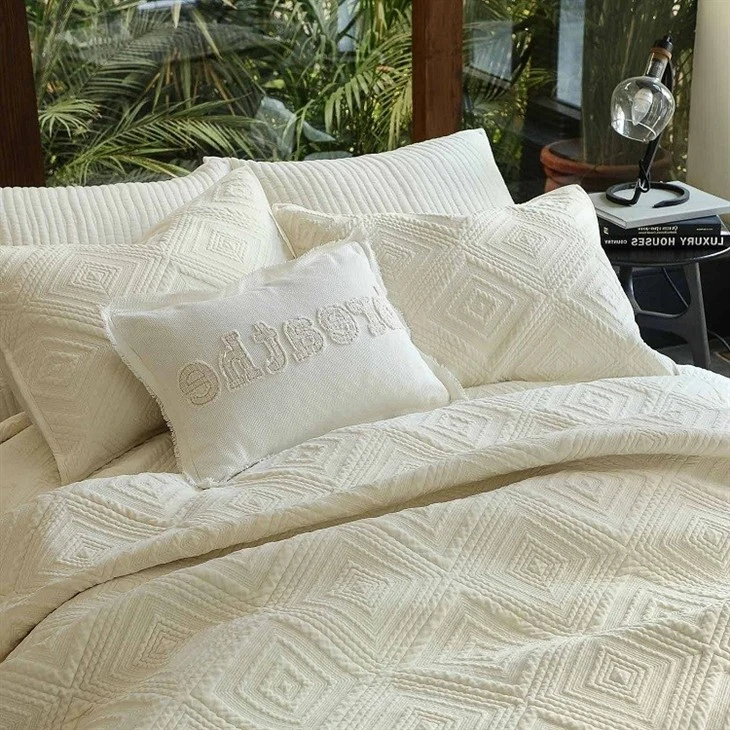
One of the advantages of using lightweight fabrics in embroidered quilts is that they are easy to work with. The thinness of the fabric allows for intricate embroidery designs to be stitched with precision, resulting in a more detailed and delicate look. Additionally, lightweight fabrics tend to drape well, giving the quilt a soft and flowing appearance.
Some examples of lightweight fabrics commonly used in embroidered quilts include:
- Cotton Voile: Cotton voile is a sheer, lightweight fabric with a soft and smooth texture. It is highly breathable and has a delicate drape, making it ideal for creating lightweight embroidered quilts. Cotton Waffle Quilt is a great example of a quilt made with lightweight cotton fabric.
- Linen: Linen is a natural fiber made from the flax plant. It is known for its durability, breathability, and moisture-wicking properties. Linen fabrics have a slightly coarse texture, which adds a rustic and organic look to embroidered quilts.
- Silk Chiffon: Silk chiffon is a lightweight, sheer fabric with a soft and飘逸的 drape. It is often used in high-end embroidered quilts to create a luxurious and elegant look.
Medium-Weight Fabrics for Embroidered Quilts
Medium-weight fabrics are a versatile choice for embroidered quilts, suitable for use in a variety of climates and seasons. These fabrics are typically made from a blend of cotton, polyester, or rayon, which provides a balance between durability, comfort, and affordability. Medium-weight fabrics are thicker than lightweight fabrics but still allow for good breathability.
One of the advantages of using medium-weight fabrics in embroidered quilts is that they offer more structure and stability. The thicker texture of the fabric helps to hold the embroidery design in place, preventing it from stretching or distorting over time. Additionally, medium-weight fabrics are more durable than lightweight fabrics, making them suitable for everyday use.
Some examples of medium-weight fabrics commonly used in embroidered quilts include:
- Cotton Sateen: Cotton sateen is a smooth, shiny fabric with a slightly heavier weight than cotton voile. It has a soft and luxurious feel and is known for its excellent drape. Cotton sateen is a popular choice for embroidered quilts because it allows for detailed embroidery designs to be stitched with ease.
- Polyester-Cotton Blend: A polyester-cotton blend combines the durability of polyester with the breathability of cotton. This fabric is lightweight, wrinkle-resistant, and easy to care for, making it a practical choice for embroidered quilts. Embroidery Quilt Set Hexagon Pattern is a beautiful example of a quilt made with a polyester-cotton blend.
- Rayon-Spandex Blend: A rayon-spandex blend is a stretchy, comfortable fabric with a soft and smooth texture. It has good elasticity, which allows the fabric to conform to the body and provides a snug fit. Rayon-spandex blends are often used in embroidered quilts to create a more form-fitting and comfortable sleeping experience.
Heavy-Weight Fabrics for Embroidered Quilts
Heavy-weight fabrics are a great choice for embroidered quilts, especially those intended for use in colder climates or during the winter months. These fabrics are typically made from materials such as wool, flannel, or thick cotton, which have a high thread count and a dense texture. Heavy-weight fabrics provide excellent insulation, keeping you warm and cozy on cold nights.
One of the advantages of using heavy-weight fabrics in embroidered quilts is that they add a sense of luxury and warmth to the bedding. The thick texture of the fabric gives the quilt a substantial and substantial look and feel, making it a perfect choice for creating a cozy and inviting bedroom atmosphere.
Some examples of heavy-weight fabrics commonly used in embroidered quilts include:
- Wool: Wool is a natural fiber made from the fleece of sheep or other animals. It is known for its excellent insulation properties, moisture-wicking ability, and durability. Wool fabrics are thick and warm, making them ideal for creating heavy-weight embroidered quilts.
- Flannel: Flannel is a soft, fuzzy fabric made from cotton or wool. It has a warm and cozy feel and is often used in winter quilts to provide extra warmth. Flannel fabrics are also breathable and comfortable, making them a popular choice for bedding.
- Thick Cotton: Thick cotton fabrics, such as cotton twill or cotton denim, are heavy and durable. They have a substantial texture and are often used in rustic or country-style embroidered quilts. These fabrics are also easy to care for and can withstand frequent washing.
Choosing the Right Fabric Weight for Your Embroidered Quilt
When choosing the fabric weight for your embroidered quilt, it is important to consider several factors, including the climate, season, intended use, and personal preference. Here are some tips to help you make the right choice:
- Consider the Climate: If you live in a warm climate, lightweight fabrics such as cotton voile or linen may be more suitable for your embroidered quilt. These fabrics are breathable and will keep you cool at night. On the other hand, if you live in a cold climate, heavy-weight fabrics such as wool or flannel may be a better choice to provide extra warmth.
- Think About the Season: The season in which you plan to use the quilt is also an important consideration. Lightweight fabrics are ideal for spring and summer, while heavy-weight fabrics are more appropriate for fall and winter.
- Determine the Intended Use: If the quilt will be used primarily for decoration, you may have more flexibility in choosing the fabric weight. However, if the quilt will be used for sleeping, comfort should be your top priority. Medium-weight fabrics are a good choice for everyday use, as they offer a balance between comfort and durability.
- Consider Your Personal Preference: Ultimately, the fabric weight you choose will depend on your personal preference. Some people prefer the soft and delicate feel of lightweight fabrics, while others prefer the warmth and coziness of heavy-weight fabrics. Consider your own comfort level and style preferences when making your decision.
Conclusion
The fabric weight is an important factor to consider when creating an embroidered quilt. The right fabric weight can enhance the overall quality, appearance, and functionality of the quilt, making it a more comfortable and enjoyable addition to your bedding. As a leading supplier of embroidered quilts, we offer a wide range of fabric weights and styles to suit your needs and preferences. Ultra Soft Embroidered Quilt Set is just one example of our high-quality embroidered quilts made with the finest fabrics.
If you are interested in purchasing our embroidered quilts or have any questions about fabric weights or embroidery designs, please feel free to contact us. Our team of experts is here to assist you in choosing the perfect quilt for your home. We look forward to working with you and helping you create a beautiful and luxurious bedding ensemble.
References
- "Fabric Weight Guide." The Spruce Crafts.
- "Choosing the Right Fabric for Your Quilt." Quilting Digest.