


Patchwork quilting is an art form that has evolved over centuries, blending creativity, skill, and functionality. As a dedicated patchwork quilts supplier, I've had the privilege of exploring and mastering a variety of advanced techniques that elevate the beauty and quality of these handmade treasures. In this blog post, I'll share some of these advanced patchwork quilt techniques that can take your quilting projects to the next level.
1. Paper Piecing
Paper piecing, also known as foundation piecing, is a precise technique that allows you to create intricate and accurate quilt blocks. Unlike traditional patchwork where fabric pieces are sewn together by eye, paper piecing uses a paper template as a guide. You sew fabric pieces onto the paper, following numbered or marked lines, which ensures that the seams align perfectly and the block maintains its shape.
To start paper piecing, you'll need a paper pattern, fabric, and a sewing machine. Cut your fabric pieces slightly larger than the areas indicated on the paper pattern. Then, place the first fabric piece right side down on the paper, aligning it with the appropriate section. Sew along the marked line, turning the paper over to check your progress. Continue adding fabric pieces in this manner until the block is complete. Once all the pieces are sewn, carefully tear away the paper from the back of the block.
Paper piecing is ideal for creating complex geometric designs, such as stars and hexagons, where precision is crucial. It's also a great technique for beginners who want to learn how to sew accurate seams. Our Vintage Velvet Patchwork Quilt Set features some elements that could be achieved through paper piecing, adding a touch of elegance and precision to the overall design.
2. Applique
Applique is a technique that involves attaching pieces of fabric onto a larger fabric base to create a design. There are several methods of applique, including needle-turn applique, fusible applique, and raw-edge applique.
Needle-turn applique is a traditional method where you fold under the edges of the fabric pieces by hand and stitch them onto the base fabric using small, invisible stitches. This technique requires patience and skill but results in a clean and professional-looking finish.
Fusible applique uses a fusible web to adhere the fabric pieces to the base fabric. First, you iron the fusible web onto the wrong side of the fabric pieces. Then, you cut out the shapes and place them on the base fabric. Iron the pieces in place to fuse them, and then you can sew around the edges for added security.
Raw-edge applique involves leaving the edges of the fabric pieces unfinished. You sew the pieces onto the base fabric using a zigzag stitch or a decorative stitch to prevent fraying. This technique creates a more rustic and textured look.
Applique can be used to add floral motifs, animals, or other decorative elements to your patchwork quilts. Our Patchwork Printed Quilt Set could incorporate applique elements to enhance the printed design and add a three-dimensional effect.
3. English Paper Piecing
English paper piecing is a technique that involves sewing fabric pieces around paper templates. The paper templates are usually cut into shapes such as hexagons, diamonds, or triangles. You place the fabric pieces over the paper templates, fold the edges of the fabric over the paper, and sew the pieces together using small, running stitches.
To start English paper piecing, you'll need paper templates, fabric, and a needle and thread. Cut your fabric pieces slightly larger than the paper templates. Place the paper template on the wrong side of the fabric and fold the edges of the fabric over the paper, securing them with a small stitch. Continue adding fabric pieces in this manner, sewing them together along the edges of the paper templates. Once all the pieces are sewn, you can remove the paper templates from the back of the quilt block.
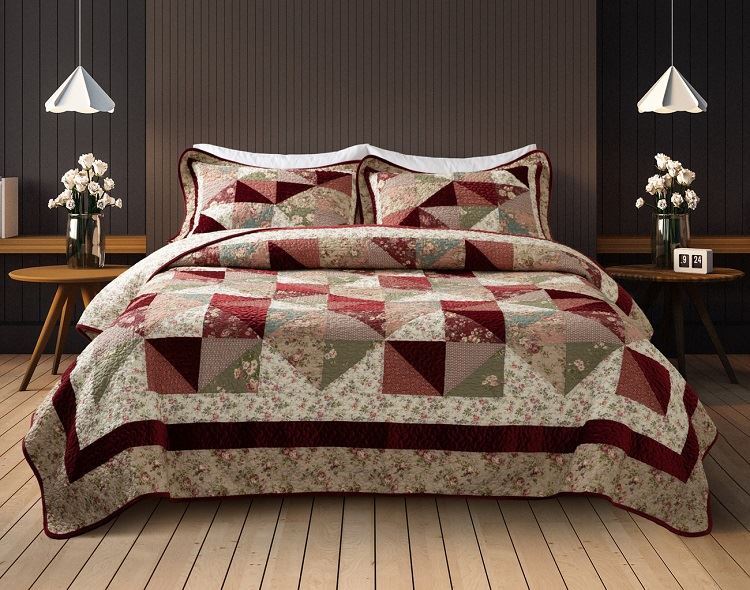
English paper piecing is a portable and relaxing technique that can be done anywhere. It's also a great way to use up small scraps of fabric. Our Rustic Star Patchwork Bedspread could feature elements created through English paper piecing, adding a charming and traditional touch to the design.
4. Free-Motion Quilting
Free-motion quilting is a technique that allows you to create your own unique quilting designs using a sewing machine. Instead of using the feed dogs to move the fabric through the machine, you use your hands to guide the fabric in any direction you choose.
To start free-motion quilting, you'll need a sewing machine with a free-motion foot, a darning foot, or a walking foot. Lower the feed dogs on your sewing machine to prevent them from moving the fabric. Attach the appropriate foot to your machine and adjust the stitch length to zero. Then, place your quilt sandwich (top, batting, and backing) under the needle and start sewing. Use your hands to move the fabric in a circular, meandering, or other pattern to create your quilting design.
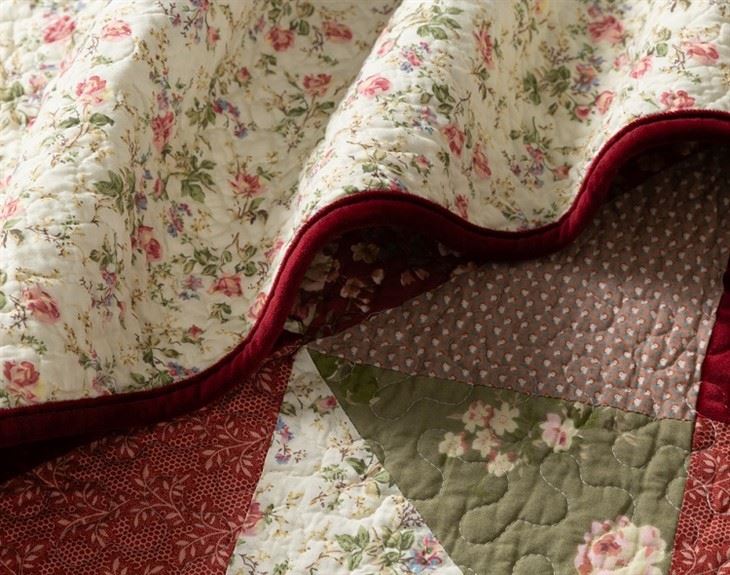
Free-motion quilting is a great way to add texture and dimension to your patchwork quilts. You can create simple designs, such as loops and swirls, or more complex designs, such as feathers and flowers. It's also a fun and creative way to express your personality and style.
5. Inset Seams
Inset seams are a technique that involves sewing a fabric piece into an opening in another fabric piece. This technique is often used to create curved or irregular shapes in a quilt block.
To create an inset seam, you'll need to cut a precise opening in the base fabric. Then, you'll need to cut the fabric piece that will be inserted into the opening, making sure it fits perfectly. Place the fabric piece over the opening, right sides together, and sew along the edges of the opening. Trim the excess fabric and press the seam open.
Inset seams require precision and patience, but they can add a unique and professional-looking touch to your patchwork quilts. They're often used in advanced quilt designs, such as curved piecing and circular medallions.
Conclusion
These are just a few of the advanced patchwork quilt techniques that can take your quilting projects to the next level. Whether you're a beginner or an experienced quilter, these techniques offer endless possibilities for creativity and self-expression. As a patchwork quilts supplier, I'm passionate about sharing these techniques with others and helping them create beautiful and unique quilts.
If you're interested in learning more about these techniques or purchasing high-quality patchwork quilts, please don't hesitate to contact me for a procurement discussion. I'm always happy to answer your questions and assist you in finding the perfect quilts for your needs.
References
- "The Quilter's Companion" by Harriet Hargrave
- "Patchwork Quilts: Techniques and Inspiration" by Betty Barnden
- "Quilting for Beginners: Step-by-Step Guide" by Sarah Fielke