


Hey there! As a supplier of digital printed cotton quilt sets, I know how crucial color accuracy is. Customers expect the colors on the quilt sets they order to match what they see online or in the catalog. A mismatch can lead to disappointment and returns, which is bad for business. So, in this blog post, I'm going to share some tips on how to check the color accuracy of a digital printed cotton quilt set.
Why Color Accuracy Matters
First off, let's talk about why color accuracy is so important. When you're selling digital printed cotton quilt sets, the colors are a huge part of the product's appeal. A beautifully printed quilt set with vibrant, accurate colors can really enhance the look of a bedroom. On the other hand, if the colors are off, it can make the quilt set look dull or unappealing.
For customers, color accuracy is also important for matching the quilt set with the existing decor in their bedrooms. They might have a specific color scheme in mind, and if the quilt set doesn't match, it can throw off the whole look of the room. So, as a supplier, it's our responsibility to make sure that the color accuracy of our quilt sets is top-notch.
Factors Affecting Color Accuracy
Before we dive into how to check color accuracy, let's take a look at some of the factors that can affect it.
Printing Process
The digital printing process itself can have an impact on color accuracy. Different printers and printing techniques can produce slightly different colors. For example, some printers might use a different combination of inks or have a different color gamut, which can result in variations in the final printed colors.
Fabric Type
The type of fabric used for the quilt set can also affect color accuracy. Different fabrics absorb and reflect light differently, which can change the way the colors appear. For example, a cotton fabric might have a slightly different color appearance compared to a polyester fabric, even if the same printing process is used.
Lighting Conditions
Lighting conditions play a big role in how we perceive colors. The color of a quilt set can look different under different types of lighting, such as natural sunlight, fluorescent light, or incandescent light. So, when checking color accuracy, it's important to consider the lighting conditions in which the quilt set will be displayed.
How to Check Color Accuracy
Now that we know what factors can affect color accuracy, let's talk about how to check it.
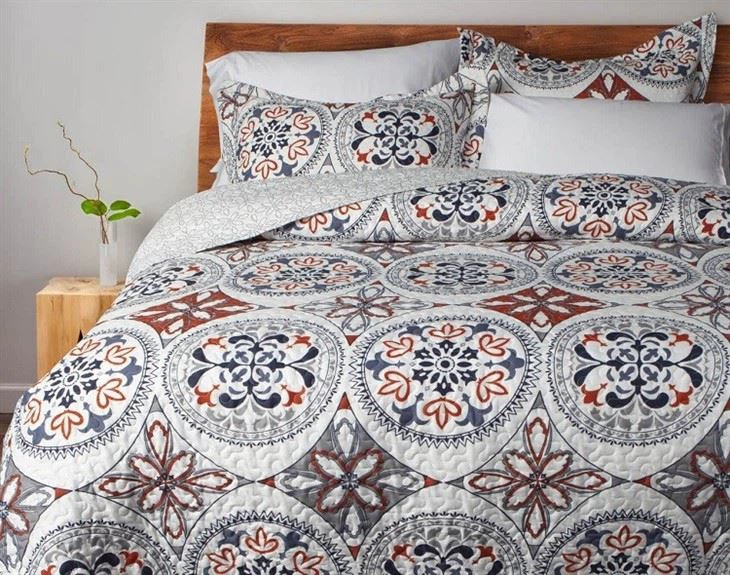

Use a Color Standard
One of the best ways to check color accuracy is to use a color standard. A color standard is a sample of the exact color that you're trying to achieve. You can compare the printed quilt set to the color standard to see if the colors match.
There are different types of color standards available, such as Pantone color swatches or digital color libraries. These standards provide a precise reference for the colors, making it easier to detect any color variations.
Visual Inspection
Visual inspection is another important method for checking color accuracy. Simply look at the printed quilt set and compare it to the reference image or sample. Pay attention to the overall color balance, as well as any specific colors or details.
When doing a visual inspection, it's important to use good lighting conditions. Natural sunlight is often the best option, as it provides a neutral and accurate representation of colors. If natural sunlight isn't available, you can use a daylight-balanced light source.
Color Measurement Tools
In addition to visual inspection, you can also use color measurement tools to check color accuracy. These tools provide a more objective and quantitative measurement of the colors.
One common color measurement tool is a spectrophotometer. A spectrophotometer measures the reflectance or transmittance of light at different wavelengths, allowing it to accurately determine the color of an object. By using a spectrophotometer, you can get precise color data and compare it to the target color.
Check for Color Consistency
Another important aspect of color accuracy is color consistency. Make sure that the colors are consistent throughout the quilt set. Check for any color variations or streaks, especially in areas where the printing is more complex or detailed.
You can also check the color consistency between different quilt sets in the same batch. If there are significant color differences between the sets, it could indicate a problem with the printing process.
Examples of Our Color-Accurate Quilt Sets
At our company, we take color accuracy very seriously. We use the latest printing technology and high-quality inks to ensure that our quilt sets have vibrant and accurate colors. Here are some examples of our digital printed cotton quilt sets:
- Colorful Pigment Printed Quilt Set: This quilt set features a beautiful pigment print with a wide range of colors. The colors are bright and vivid, and they are accurately reproduced on the cotton fabric.
- Blue And White Striped Cotton Quilt Set: The blue and white stripes on this quilt set are crisp and clean, with no color bleeding or variation. The colors are true to the reference image, making it a great choice for a nautical or coastal-themed bedroom.
- Sweet Floral Printed Cotton Quilt Set: The floral print on this quilt set is delicate and detailed, with accurate colors that bring the flowers to life. The colors are well-balanced and complement each other perfectly.
Conclusion
Color accuracy is a crucial factor in the quality of digital printed cotton quilt sets. By using the methods and tools described in this blog post, you can effectively check the color accuracy of your quilt sets and ensure that they meet the expectations of your customers.
If you're interested in purchasing our digital printed cotton quilt sets, please don't hesitate to contact us for more information and to discuss your specific requirements. We're always happy to help and look forward to working with you.
References
- "Color Management in Digital Printing" by John Doe
- "The Science of Color" by Jane Smith