


Transporting embroidered quilts safely is of utmost importance, especially for a supplier like me. These exquisite quilts are not just products; they are works of art, representing hours of meticulous craftsmanship and attention to detail. In this blog post, I'll share some insights and best practices on how to transport embroidered quilts securely, ensuring they reach their destination in pristine condition.
Understanding the Characteristics of Embroidered Quilts
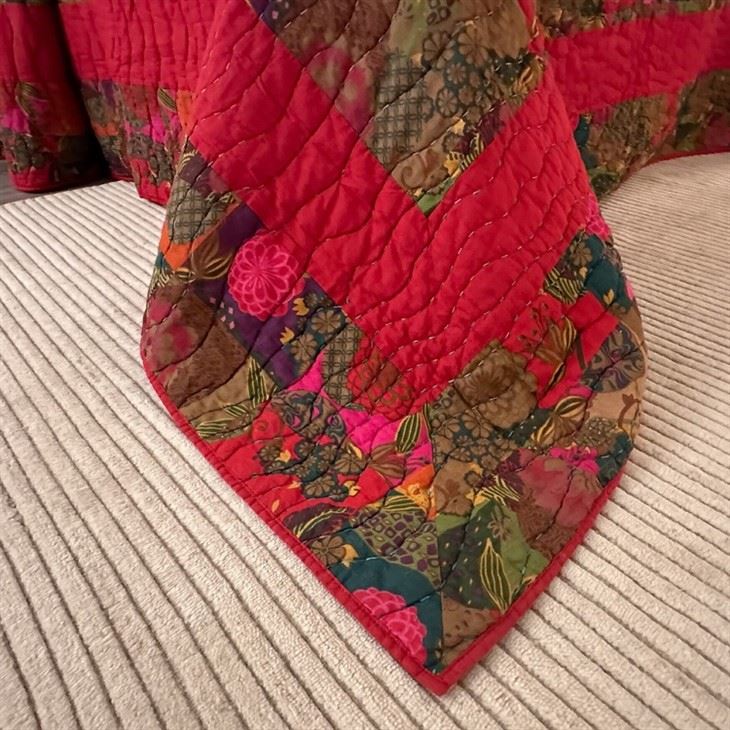
Before delving into the transportation methods, it's crucial to understand the unique features of embroidered quilts. They are often made of delicate fabrics, such as silk, cotton, or velvet, which can be easily damaged. The embroidery itself, with its intricate threads and patterns, is also vulnerable to snags, pulls, and abrasions. Additionally, quilts can be quite bulky, which poses challenges in terms of packaging and handling.
Pre - Transportation Preparation
Cleaning and Inspection
Before packing, it's essential to clean the embroidered quilt thoroughly. Even a small amount of dirt or stains can attract pests or cause discoloration over time. Use a gentle fabric cleaner and follow the manufacturer's instructions carefully. After cleaning, inspect the quilt for any loose threads, holes, or weak areas. If you find any issues, repair them promptly to prevent further damage during transit.
Folding or Rolling
The way you fold or roll the quilt can significantly impact its safety during transportation. Folding is a common method, but it can cause creases, especially if the quilt is folded tightly or left in the same position for an extended period. To minimize creasing, fold the quilt along its natural seams and use acid - free tissue paper between the folds. This will help protect the embroidery and prevent the fabric from rubbing against itself.
Rolling is another option, especially for larger quilts. Roll the quilt tightly but gently, starting from one end. You can use a cardboard tube in the center to keep the roll stable and prevent it from collapsing. Wrap the rolled quilt with acid - free tissue paper or a soft cotton sheet to provide an extra layer of protection.
Packaging Materials
Boxes
When it comes to packaging embroidered quilts, choosing the right box is crucial. Opt for a sturdy, corrugated cardboard box that is slightly larger than the quilt. This will provide enough space for padding and prevent the quilt from being compressed. Line the box with acid - free tissue paper or a soft, clean cloth to cushion the quilt and protect it from scratches.
Padding
Padding is essential for safeguarding the quilt during transportation. You can use materials such as bubble wrap, foam peanuts, or shredded paper. Wrap the quilt in multiple layers of bubble wrap, making sure to cover all areas, especially the edges and corners. Secure the bubble wrap with tape to keep it in place.
Sealing
Once the quilt is safely packed inside the box, seal it tightly with strong packing tape. Make sure to reinforce the seams and corners of the box to prevent it from opening during transit. You can also label the box as "Fragile" and "Handle with Care" to alert the shipping carriers.
Choosing a Shipping Carrier
Research
Not all shipping carriers are equal when it comes to handling delicate items like embroidered quilts. Do your research and look for carriers that have a good reputation for handling fragile goods. Read reviews from other customers and check their track record for delivering items safely.
Insurance
Consider purchasing insurance for your embroidered quilt during transit. This will provide you with financial protection in case the quilt is lost, damaged, or stolen. Most shipping carriers offer insurance options, and the cost is usually based on the value of the item being shipped.
Tracking
Choose a shipping carrier that offers tracking services. This will allow you to monitor the progress of your quilt's journey and ensure that it arrives on time. You can also provide the tracking number to your customers so that they can keep an eye on the delivery status.
Special Considerations for Different Types of Embroidered Quilts
Global Recycle Standard Embroidered Quilt Set
These quilts are made with recycled materials, which may have different properties compared to traditional fabrics. They may be more prone to static electricity, which can attract dust and lint. To prevent static buildup, you can use an anti - static spray or place a dryer sheet in the packaging.
Luxury Embroidered Velvet Quilt Set
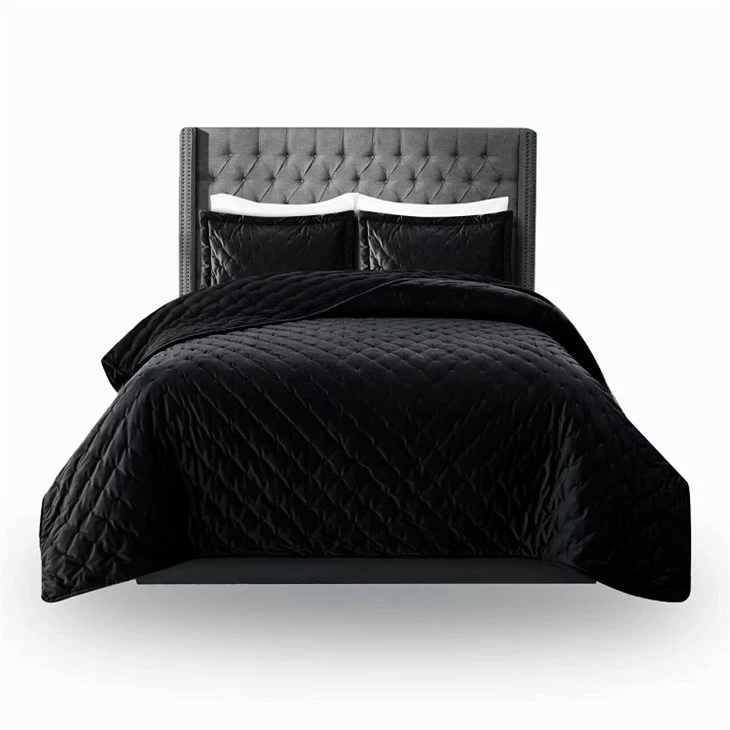
Velvet is a delicate and plush fabric that requires special handling. When packing a velvet quilt, avoid using materials that can snag or pull the fibers. Instead, use a soft, smooth fabric like silk to wrap the quilt. You can also place a layer of tissue paper between the quilt and the outer packaging to protect the velvet surface.
Eembroidered Quilted Bedspread
Quilted bedspreads are often larger and heavier than regular quilts. When transporting them, make sure to use a large, sturdy box and plenty of padding. You may also need to use additional straps or bands to secure the box and prevent it from shifting during transit.
On - Site Delivery Considerations
If you are providing on - site delivery of the embroidered quilts, there are a few additional factors to consider. First, make sure your delivery vehicle is clean and free of any sharp objects or debris that could damage the quilts. Use a padded dolly or cart to move the boxes, and handle them with care.
When delivering the quilt to the customer, ensure that it is unpacked in a clean, dry area. Inspect the quilt with the customer to make sure it has arrived in good condition. If there are any issues, address them immediately and provide a satisfactory solution.
Conclusion and Call to Action
Transporting embroidered quilts safely requires careful planning, attention to detail, and the use of appropriate materials and methods. By following the tips and guidelines outlined in this blog post, you can ensure that your customers receive their embroidered quilts in perfect condition.
If you're interested in purchasing our high - quality embroidered quilts or have any questions about transportation and shipping, we'd love to hear from you. Feel free to get in touch with us to start a procurement discussion. We're committed to providing you with the best products and services, and we look forward to working with you.
References
- "Packing and Shipping Fragile Items." USPS.
- "How to Care for Embroidered Fabrics." Sewing World Magazine.
- "Best Practices for Transporting Luxury Textiles." Luxury Goods Logistics Association.