


When it comes to bedding, the smoothness of a quilt's surface is a crucial factor that many consumers consider. As a supplier of ultrasonic quilts, I often get asked whether ultrasonic quilts have a smooth surface. In this blog post, I'll delve into this question, exploring the characteristics of ultrasonic quilts and what makes their surface feel the way it does.
Understanding Ultrasonic Quilts
Ultrasonic quilting is a modern technique that uses high - frequency sound waves to bond layers of fabric together. This method is a departure from traditional quilting, which typically involves stitching through the layers with thread. The ultrasonic waves generate heat at the point of contact between the fabrics, melting the fibers slightly and fusing the layers together. This process creates a distinct pattern on the quilt, which can range from simple geometric shapes to intricate designs.
One of the primary advantages of ultrasonic quilting is its efficiency. It can produce quilts at a much faster rate compared to traditional methods, making it a cost - effective option for large - scale production. Moreover, since there are no visible stitches, the quilt has a clean and seamless appearance.
Factors Affecting the Smoothness of Ultrasonic Quilts
Fabric Selection
The type of fabric used in an ultrasonic quilt plays a significant role in determining its surface smoothness. Most ultrasonic quilts are made from a variety of materials, including cotton, polyester, and blends of these fibers.
Cotton is a popular choice due to its natural softness and breathability. High - quality cotton fabrics have a smooth and silky feel against the skin. When used in ultrasonic quilts, they can provide a luxurious and comfortable sleeping experience. For example, a Ultrasonic Printed Quilt Set made from pure cotton will likely have a very smooth surface. The fibers are fine and evenly distributed, allowing for a consistent texture across the quilt.
Polyester, on the other hand, is known for its durability and wrinkle - resistance. It can also have a smooth surface, especially when it is of a high - grade quality. Polyester fabrics used in ultrasonic quilts often have a shiny and sleek appearance. However, some people may find that polyester doesn't feel as soft as cotton against their skin. Blended fabrics, which combine the best of both worlds, can offer a good balance of smoothness, durability, and comfort.
Quilting Pattern
The quilting pattern created by the ultrasonic process can also influence the perceived smoothness of the quilt. Some patterns are more intricate and have more raised areas, while others are simpler and flatter.
A simple, linear quilting pattern will generally result in a smoother surface. The waves of the ultrasonic bonding are less pronounced, and the overall texture of the quilt is more uniform. For instance, a Solid Ultrasonic Reversible Quilt Set with a basic grid pattern is likely to have a relatively smooth feel.
In contrast, a quilt with a complex, three - dimensional pattern may have a slightly bumpier surface. The raised areas created by the pattern can add a tactile element to the quilt, but they may also make it feel less smooth in some areas. However, this can also be a matter of personal preference. Some people enjoy the added texture and find it more interesting than a completely flat surface.
Manufacturing Quality
The quality of the manufacturing process is another important factor. A well - made ultrasonic quilt will have a more consistent and smooth surface. This includes proper calibration of the ultrasonic equipment to ensure that the bonding is uniform across the entire quilt.
If the equipment is not calibrated correctly, there may be areas where the bonding is too strong or too weak. This can result in unevenness on the surface of the quilt. Additionally, the handling of the quilt during the manufacturing process, such as folding and packaging, can also affect its smoothness. A reputable supplier will take steps to ensure that the quilts are treated gently to maintain their smooth surface.
The Smoothness Advantage of Ultrasonic Quilts
In general, ultrasonic quilts tend to have a smooth surface compared to traditional stitched quilts. Since there are no stitches that can create bumps or ridges, the surface is more continuous. This smoothness can have several benefits.
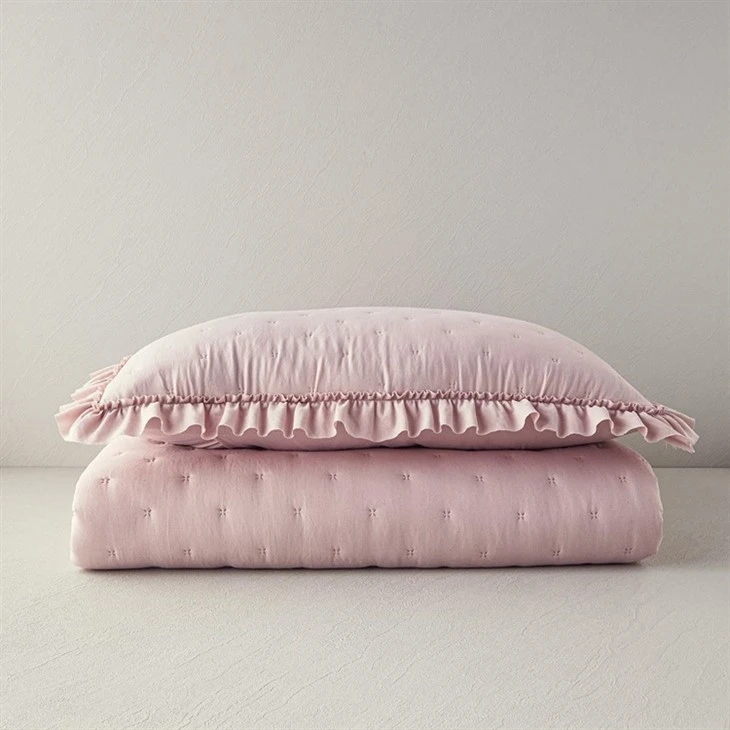
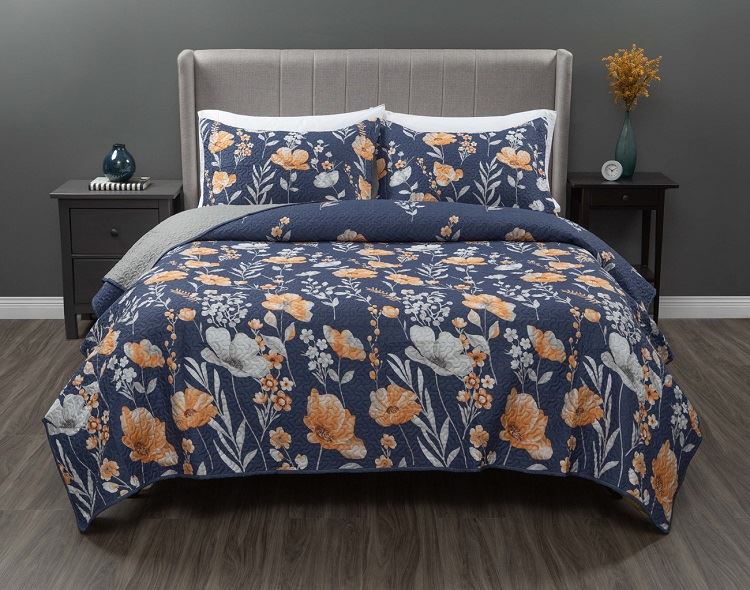
For one, it can enhance the overall aesthetic appeal of the quilt. A smooth - surfaced quilt looks more elegant and sophisticated on a bed. It also makes the quilt easier to clean and maintain. Dirt and dust are less likely to get trapped in the fabric, and the smooth surface can be wiped clean more easily.
From a comfort perspective, a smooth surface is more gentle on the skin. It reduces the friction between the quilt and the body, which can be especially beneficial for people with sensitive skin. This means that you can enjoy a more restful sleep without the irritation that rough or bumpy surfaces might cause.
Examples of Smooth - Surfaced Ultrasonic Quilts
Let's take a look at some of the ultrasonic quilt sets that showcase a smooth surface. The Soft Warm Ultrasonic Quilt Set With Ruffled is a great example. Made from a soft and high - quality fabric blend, it has a smooth texture that feels wonderful against the skin. The ultrasonic quilting pattern is simple yet effective, adding a touch of style without compromising on smoothness.
The Ultrasonic Printed Quilt Set also offers a smooth surface. The printing on the quilt is sharp and clear, and the fabric has a soft drape. The lack of visible stitches gives it a modern and seamless look.
Contact for Purchase and Collaboration
If you're interested in purchasing our ultrasonic quilts or have any questions about their smoothness or other features, we'd love to hear from you. Our team of experts can provide you with more detailed information about our products and help you choose the right quilt for your needs. Whether you're a retailer looking to stock our products or an individual consumer, we're here to assist you.
References
- "Textile Science and Technology: Fundamentals of Spun Yarn Technology" by Peter Lord and Mohamed H. Mohamed.
- "Handbook of Textile Fibre Structure" edited by David J. S. Hearle.
- Industry reports on modern quilting techniques and bedding trends.