


As a supplier of ultrasonic quilts, I often get asked about the materials used to make these unique and high - quality products. Ultrasonic quilts have gained popularity in recent years due to their advanced manufacturing process and various benefits. In this blog, I will delve into the materials that go into making ultrasonic quilts and why they matter.
The Outer Fabric
The outer fabric of an ultrasonic quilt is the first thing you notice and plays a crucial role in both the aesthetics and functionality of the quilt.
Cotton
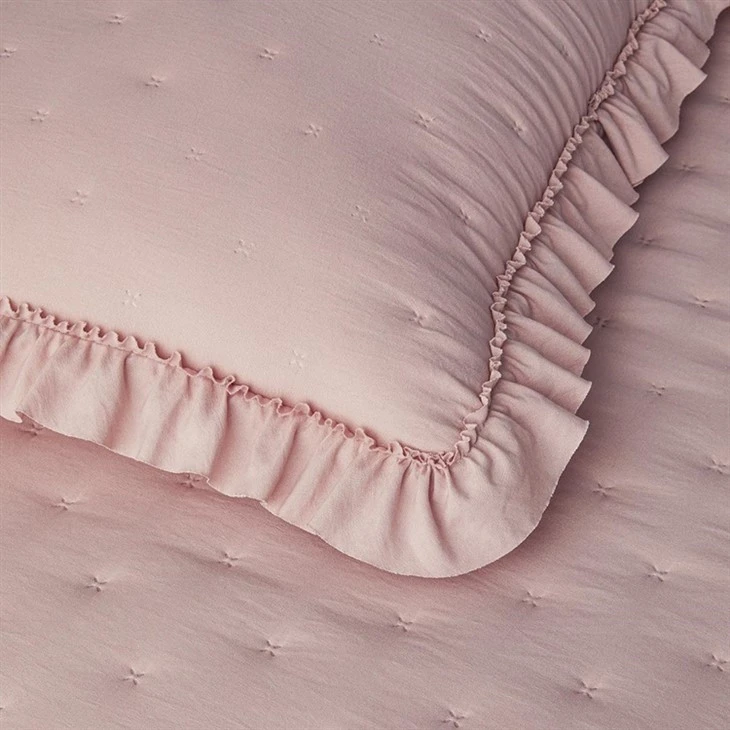
Cotton is one of the most commonly used materials for the outer layer of ultrasonic quilts. It is a natural fiber that is soft, breathable, and hypoallergenic. Cotton allows air to circulate through the quilt, keeping the user cool and comfortable during sleep. It also absorbs moisture well, which helps to prevent the build - up of sweat and odors. For those with sensitive skin, cotton is an ideal choice as it is less likely to cause irritation. Our [Ultrasonic Printed Quilt Set](/quilts - bedspreads/ultrasonic - quilts/ultrasonic - printed - quilt - set.html) often features a high - quality cotton outer fabric, which gives it a soft and luxurious feel.
Polyester
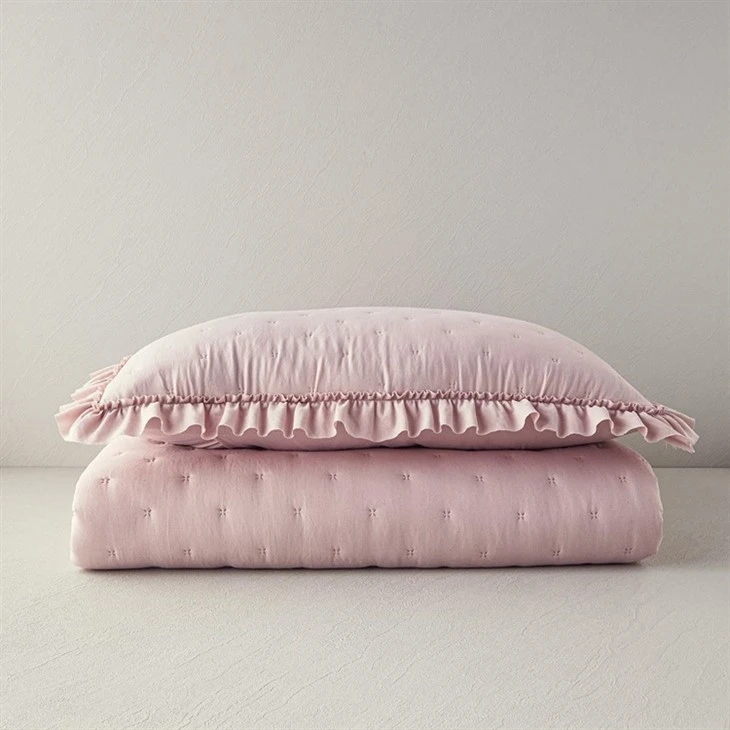
Polyester is another popular option for the outer fabric of ultrasonic quilts. It is a synthetic fiber that is known for its durability and wrinkle - resistance. Polyester is also easy to clean and maintain, making it a practical choice for everyday use. Quilts with a polyester outer layer are often more affordable than those made with natural fibers. Additionally, polyester can be blended with other fibers to enhance its properties. For example, a polyester - cotton blend can combine the softness of cotton with the durability of polyester. Our [Soft Warm Ultrasonic Quilt Set With Ruffled](/quilts - bedspreads/ultrasonic - quilts/soft - warm - ultrasonic - quilt - set - with - ruffled.html) may use a polyester - cotton blend to provide a balance of comfort and durability.
Silk
Silk is a luxurious and high - end material that is sometimes used for the outer layer of ultrasonic quilts. It has a smooth and soft texture that feels great against the skin. Silk is also a good insulator, which means it can keep you warm in the winter and cool in the summer. However, silk is more expensive than cotton or polyester and requires more delicate care. Quilts with a silk outer layer are often considered a luxury item and are popular for special occasions or high - end bedding sets.
The Filling Material
The filling material of an ultrasonic quilt is what gives it its warmth and loft. Different filling materials have different properties, and the choice of filling depends on the desired level of warmth, weight, and comfort.
Down
Down is one of the most popular filling materials for quilts. It comes from the underbelly of ducks or geese and is known for its excellent insulation properties. Down is lightweight, fluffy, and can trap a large amount of air, which helps to keep the user warm. It also has a high level of compressibility, which means it can be easily packed and stored. However, down can be expensive, and some people may be allergic to it. Our high - end ultrasonic quilts may use high - quality down filling to provide a luxurious and warm sleeping experience.
Synthetic Fill
Synthetic fill is a more affordable alternative to down. It is made from polyester fibers that are designed to mimic the properties of down. Synthetic fill is hypoallergenic, which makes it a good choice for people with allergies. It is also easy to clean and maintain, and it dries quickly. Some synthetic fills are even designed to be more breathable than traditional down, which can help to keep the user cool. Our [Ultrasonic Quilted Cooling Quilt Set](/quilts - bedspreads/ultrasonic - quilts/ultrasonic - quilted - cooling - quilt - set.html) often uses a high - performance synthetic fill to provide a cool and comfortable sleep.
Wool
Wool is a natural fiber that is also used as a filling material for ultrasonic quilts. It is a good insulator and can regulate body temperature well. Wool can absorb moisture without feeling wet, which helps to keep the user dry and comfortable. It is also a sustainable and renewable resource. However, wool can be heavy and may not be suitable for those who prefer a lighter quilt.
The Binding Material
The binding material is used to finish the edges of the ultrasonic quilt. It not only adds a decorative touch but also helps to protect the edges of the quilt from fraying.

Cotton Binding
Cotton binding is a popular choice as it matches well with cotton outer fabrics. It is soft, flexible, and easy to sew. Cotton binding comes in a variety of colors and patterns, which allows for customization of the quilt. It gives the quilt a classic and traditional look.
Polyester Binding
Polyester binding is more durable and resistant to wear and tear than cotton binding. It is also less likely to shrink or fade. Polyester binding is a good choice for quilts that will be used frequently or washed often.
The Importance of Material Selection
The materials used to make ultrasonic quilts are not just about aesthetics; they also have a significant impact on the performance and quality of the quilt. For example, the right combination of outer fabric and filling material can ensure that the quilt is warm in the winter and cool in the summer. The choice of binding material can affect the longevity of the quilt.
As a supplier, we carefully select the materials for our ultrasonic quilts to ensure that they meet the highest standards of quality and comfort. We work with trusted suppliers to source the best materials and use advanced manufacturing processes to create quilts that are both beautiful and functional.
If you are interested in our ultrasonic quilts or have any questions about the materials used, we encourage you to contact us for a purchase negotiation. We are always happy to help you find the perfect quilt for your needs.
References
- Textile Institute. Handbook of Textile Fibres. Woodhead Publishing, 2016.
- Consumer Reports. Bedding Buying Guide. Consumer Reports Publications, 2020.