


Yo, what's up, folks! As a supplier of embroidered quilts, I've been knee - deep in this world for a long time. I've seen how these beautiful pieces of art have evolved, and I'm super stoked to share why they're such a big deal in folk art.
The Rich History of Embroidered Quilts
Embroidered quilts have got a history that's as long and winding as a country road. They've been around for ages, with roots in different cultures across the globe. In medieval Europe, these quilts were like status symbols. Nobles and rich folks would have these opulent embroidered quilts in their beds, showing off their wealth and good taste. Each stitch was like a tiny brushstroke in a grand masterpiece, using expensive materials like silk and gold thread.
Over in Asia, especially in countries like China and India, embroidered quilts had a whole different vibe. In China, they were often part of traditional wedding ceremonies. The quilts were adorned with symbols of good luck, harmony, and prosperity. The detailed embroidery told stories of hope and the start of a new life for the newlyweds. In India, the vibrant colors and intricate patterns on embroidered quilts were a reflection of the country's diverse culture. They were made by local artisans, with each region having its own unique style.
Symbolism in Embroidered Quilts
One of the coolest things about embroidered quilts is the hidden meanings behind the designs. Every stitch, every shape, and every color can tell a story or represent something. For example, in Native American cultures, certain symbols embroidered on quilts could represent the tribe's history, beliefs, or connection to nature. An eagle might symbolize strength and freedom, while a bear could stand for protection.
In European folk art, floral patterns were super common. Roses often represented love, while daisies symbolized innocence. These symbols weren't just for show; they added a deeper layer of meaning to the quilts. It was like the artisans were using embroidery as a secret language to communicate important values and ideas.
Cultural Preservation and Identity
Embroidered quilts are like time capsules of culture. They preserve the traditions, skills, and stories of generations past. When you look at an old - style embroidered quilt from a particular region, you can almost feel the hands of the artisans who made it. These quilts are a way for communities to hold on to their unique identities.
In some small towns, the art of making embroidered quilts has been passed down from mothers to daughters for centuries. Each family has its own techniques and patterns, creating a sense of continuity and pride. By keeping this art form alive, these communities are ensuring that their cultural heritage doesn't get lost in the fast - paced world we live in today.
Artistic Expression and Creativity
Let's talk about the art side of things. Embroidered quilts are a canvas for artists to let their creativity run wild. The possibilities are endless when it comes to design. You can have geometric patterns that are super modern and sleek, or you can go for more organic, free - form designs.
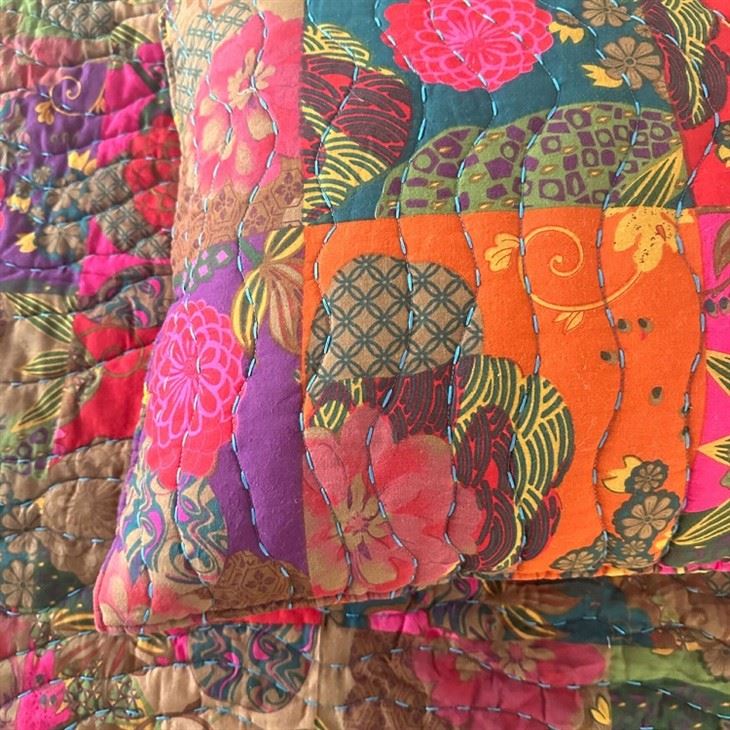
Artisans use a variety of stitches, like the running stitch, the backstitch, and the satin stitch, to create different textures and effects. The combination of colors is also a crucial part of the creative process. A well - chosen color palette can make a quilt go from ordinary to extraordinary. Some quilters even experiment with different materials, like adding beads or sequins to make their work stand out.
Emotional and Sentimental Value
Embroidered quilts often carry a whole bunch of emotional and sentimental value. They can be heirlooms, passed down through generations. There's something so special about snuggling up under a quilt that your great - grandmother made. It's like being wrapped in a warm hug from the past.
These quilts can also be gifts that are full of love. A handmade embroidered quilt given on a special occasion, like a birthday or a baby shower, is a one - of - a - kind present that shows how much you care. It's not just a piece of fabric; it's a symbol of the relationship between the giver and the receiver.
Our Product Range
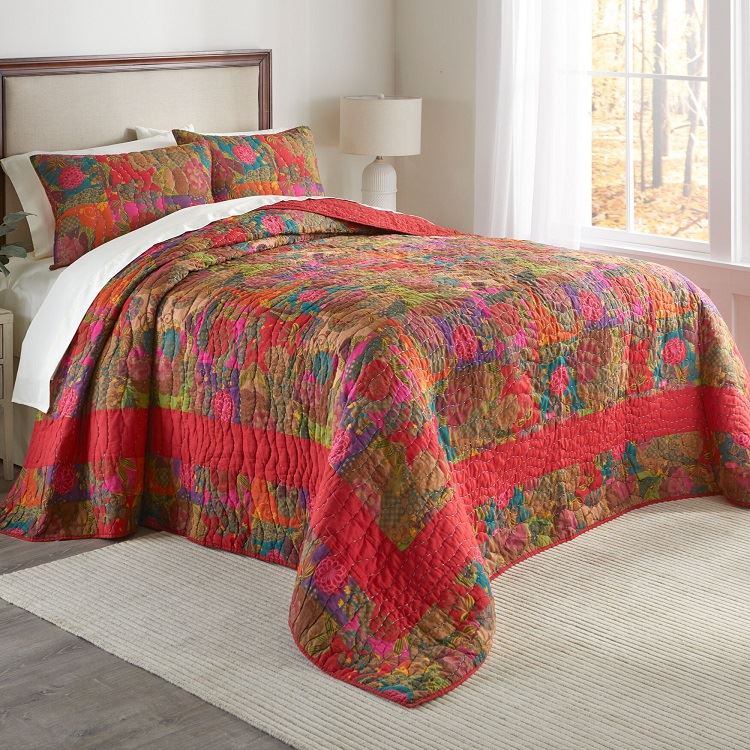
As a supplier of embroidered quilts, we've got an amazing range of products that showcase the beauty and significance of this folk art. Check out our Embroidered Bed Quilt Set. It's perfect for adding a touch of elegance to your bedroom. The set includes a quilt and matching pillow shams, all beautifully embroidered with traditional patterns.
We also have the GRS Certified Embroidered Quilt Set. This set is not only stunning in terms of design but is also made with eco - friendly materials. So, you can look good and feel good about protecting the planet at the same time.
And if you're looking for something a bit different, our Eembroidered Quilted Bedspread is a great choice. It's a versatile piece that can be used as a bedspread or a decorative throw for your couch. The intricate embroidery adds a pop of color and texture to any room.
Why You Should Consider Buying Our Embroidered Quilts
When you buy our embroidered quilts, you're not just getting a beautiful piece of bedding. You're supporting the preservation of folk art. Every quilt we sell helps keep the traditions and skills of the artisans alive. You're also getting a high - quality product that's made with love and attention to detail.
These quilts are durable and will last you a long time. They're perfect for both everyday use and for special occasions. Whether you're looking to spruce up your own home or find a unique gift for someone, our embroidered quilts are a great option.
Let's Connect and Do Business
If you're interested in our embroidered quilts, whether you're an individual looking to add a touch of folk art to your home or a retailer looking to stock our products, we'd love to hear from you. We're open to discussions about pricing, customization, and bulk orders. Just reach out, and we can start a conversation about how we can work together to bring the beauty of embroidered quilts to more people.
References
- "The History of Quilting: From Ancient Times to the Present" by Mary F. Blockpfeiler
- "Folk Art Quilts: Patterns and Techniques" by Jane Stickle
- "Cultural Symbolism in Embroidered Textiles" by Dr. Sarah Thompson