


The concept of stonewashed fabrics, including stonewashed quilts, has a rich and fascinating history that intertwines with the development of textile manufacturing and consumer preferences. As a supplier of stonewashed quilts, I am often asked about the origin of these unique and popular bedding items. In this blog post, I will delve into the history and evolution of stonewashed quilts, exploring how they came to be and why they have become such a staple in modern bedding.
The Origins of Stonewashing
The practice of stonewashing can be traced back to ancient times, where early civilizations used natural processes to soften and distress fabrics. The exact origin of stonewashing is difficult to pinpoint, but it is believed to have started as a practical method for cleaning and softening textiles. In ancient Greece and Rome, for example, people would use pumice stones to clean and whiten their clothes. The abrasive action of the stones would not only remove dirt but also soften the fabric over time.
Fast forward to the 1970s, and stonewashing took on a new life in the fashion industry. Levi Strauss & Co. is credited with popularizing stonewashed denim in the United States. The company was looking for a way to create a worn - in look for their jeans quickly. They discovered that by washing denim with volcanic pumice stones, they could achieve a faded, distressed appearance that was highly desirable. This innovation revolutionized the denim industry and led to the widespread adoption of stonewashing techniques for various fabrics.
The Adaptation to Quilts
As the popularity of stonewashed fabrics grew, it was only a matter of time before the technique was applied to quilts. Quilts have a long - standing tradition in many cultures, serving both practical and decorative purposes. Stonewashing quilts brought a new dimension to this traditional bedding item.
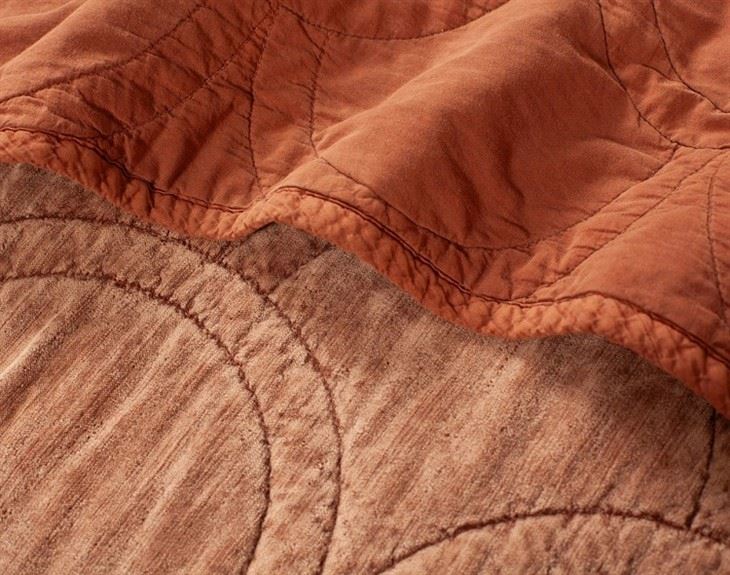
The process of stonewashing a quilt is similar to that of stonewashing denim. The quilt is loaded into a large industrial washing machine along with a number of pumice stones. As the machine agitates, the stones rub against the fabric, creating a soft, worn - in texture. The abrasive action also causes the colors of the quilt to fade slightly, giving it an antique, rustic look.
This new style of quilt quickly gained popularity among consumers. The softness of the stonewashed fabric made the quilts more comfortable to sleep under, while the distressed appearance added a touch of charm and character to any bedroom decor. Stonewashed quilts became a trendy choice for those looking to add a bohemian or farmhouse - style aesthetic to their homes.
The Appeal of Stonewashed Quilts
One of the main reasons for the success of stonewashed quilts is their unique aesthetic. The faded colors and soft texture create a warm, inviting atmosphere in the bedroom. They can easily complement a variety of interior design styles, from traditional to modern. For example, in a shabby - chic bedroom, a stonewashed quilt can be the perfect centerpiece, adding to the overall vintage charm. In a more contemporary space, it can provide a touch of warmth and contrast.
Another advantage of stonewashed quilts is their durability. The stonewashing process actually strengthens the fabric in some ways. The agitation and abrasion during the washing process help to break down weak fibers, leaving behind a more resilient material. This means that stonewashed quilts can withstand regular use and washing without losing their shape or color quickly.
The Market for Stonewashed Quilts
Over the years, the market for stonewashed quilts has continued to grow. Consumers are increasingly looking for bedding that not only looks good but also feels comfortable. Stonewashed quilts fit the bill perfectly. They are available in a wide range of colors, patterns, and sizes, making it easy for consumers to find a quilt that suits their individual taste and needs.
As a supplier of stonewashed quilts, I have witnessed firsthand the growing demand for these products. We offer a variety of Stone Washed Quilt Set options, including sets that come with matching pillow shams. Our Stonewashed Cotton Bedding is made from high - quality cotton, which is known for its breathability and softness.
We also understand the importance of sustainability in today's market. That's why we strive to use environmentally friendly practices in our manufacturing process. For example, we recycle the pumice stones used in the stonewashing process and use eco - friendly detergents.
The Future of Stonewashed Quilts
The future of stonewashed quilts looks bright. As consumers continue to seek unique, high - quality bedding options, stonewashed quilts are likely to remain a popular choice. Designers are constantly coming up with new patterns and color combinations to keep the style fresh and appealing.
In addition, with the growing interest in sustainable and ethical fashion, there is an opportunity to further develop the stonewashed quilt market. Suppliers can focus on using organic fabrics and environmentally friendly manufacturing processes to meet the demands of eco - conscious consumers.

Contact for Procurement
If you are interested in adding stonewashed quilts to your product line or are looking for high - quality bedding for your home, we would love to hear from you. Our team of experts is ready to assist you with your procurement needs. We offer competitive prices, excellent customer service, and a wide selection of stonewashed quilts. Whether you are a retailer, a hotelier, or an individual consumer, we have the perfect stonewashed quilt for you.
We can provide samples so that you can experience the softness and quality of our stonewashed quilts firsthand. Our goal is to build long - term partnerships with our customers, ensuring that you are satisfied with your purchase. Don't miss out on the opportunity to offer or own these beautiful, comfortable stonewashed quilts. Reach out to us to start a discussion about your procurement requirements.
References
- "The History of Denim: From Workwear to Fashion Icon" by Fashion Institute of Technology
- "Quilts: A Cultural History" by Barbara Brackman
- "Textile Manufacturing Processes" by John Wiley & Sons