


Flower shaped cushions have long captivated people with their charming and delicate appearance. As a supplier of these delightful items, I've always been intrigued by their origin. In this blog, we'll embark on a journey to uncover the roots of flower shaped cushions, exploring different cultures and historical periods.
Ancient Origins
The concept of using cushions dates back thousands of years. In ancient Egypt, cushions were used for both practical and symbolic purposes. They were often made from materials like straw, reeds, or animal skins and were used to provide comfort while sitting or sleeping. Although there's limited evidence of specifically flower - shaped cushions in ancient Egypt, the Egyptians had a deep appreciation for nature and floral motifs. Flowers were highly symbolic in their art and religion, representing concepts such as rebirth, beauty, and the afterlife. It's possible that the idea of incorporating flower - like shapes into cushions could have emerged from this cultural reverence for flowers.
Moving on to ancient Greece and Rome, cushions were also an important part of daily life. The Greeks and Romans used cushions for seating on couches during banquets and for resting in their homes. They were skilled in textile arts and often adorned their cushions with intricate patterns and designs. While flower - shaped cushions as we know them today might not have been prevalent, floral patterns were commonly used on cushion covers. These patterns were inspired by the abundant flora in the Mediterranean region. Roses, lilies, and violets were among the popular flowers depicted, and they added a touch of elegance and beauty to the cushions.
Asian Influences
In Asia, the history of cushions is equally rich. In China, cushions have been used for centuries. The Chinese were masters of silk production, and silk was often used to make luxurious cushions. Floral motifs have a long - standing tradition in Chinese art and culture. The peony, known as the "king of flowers," symbolizes wealth, honor, and prosperity. It's highly likely that over time, the idea of creating cushions in the shape of flowers, especially the peony, emerged. These flower - shaped cushions would not only provide comfort but also carry the positive connotations associated with the flowers.
In Japan, traditional tatami rooms are often furnished with cushions called zabuton. These cushions are typically rectangular in shape, but the Japanese have a deep appreciation for nature and flowers. The cherry blossom, in particular, holds a special place in Japanese culture, representing the transient nature of life, beauty, and renewal. While the classic zabuton may not be flower - shaped, the influence of floral aesthetics in Japanese design could have contributed to the development of flower - shaped cushions.

Medieval and Renaissance Europe
During the Middle Ages in Europe, cushions were mainly used by the wealthy and the nobility. They were often made from expensive materials such as velvet, silk, and brocade. Floral designs were popular on cushion covers, but the creation of actual flower - shaped cushions was still in its infancy. However, the Renaissance period saw a revival of interest in art, science, and nature. Artists and craftsmen were inspired by the beauty of the natural world, and this led to more elaborate and creative designs in all forms of art, including cushions.
Floral shapes started to become more prominent in cushion design during this time. The development of new sewing techniques and the availability of a wider range of materials allowed for more detailed and realistic flower - shaped cushions. Roses, tulips, and carnations were among the flowers that were replicated in cushion form. These cushions were not only functional but also served as decorative pieces, adding a touch of luxury and sophistication to the interiors of grand houses.
Modern Era
In the modern era, the production of flower - shaped cushions has become more widespread. With the advancement of manufacturing technologies, it's now possible to create cushions in a variety of flower shapes with great precision. From simple daisy - shaped cushions to elaborate multi - petaled rose - shaped ones, the options are endless.
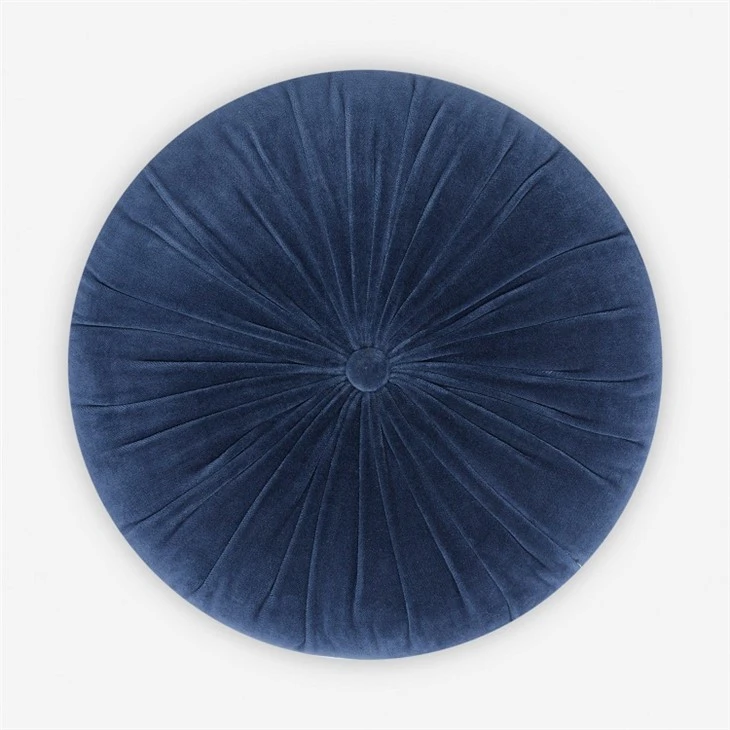
Today, flower - shaped cushions are not only used for home decor but also for therapeutic purposes. For example, Plush Heart Shaped Pillow can provide a sense of comfort and security, similar to the way a flower - shaped cushion can bring a touch of softness and warmth to a room. Side Sleeper Pregnancy Pillow may not be flower - shaped, but it shows the diverse range of cushion designs available to meet different needs. And Round Velvet Cushion represents the variety of shapes and materials in the cushion market, which has influenced the development and popularity of flower - shaped cushions.
As a supplier of flower - shaped cushions, I'm proud to be part of a tradition that spans centuries. Our cushions are made with the highest quality materials, whether it's soft plush for a cuddly feel or luxurious silk for an elegant look. We offer a wide range of flower shapes, from common daisies to exotic orchids, to suit different tastes and interior design styles.
If you're interested in adding a touch of floral charm to your home or are looking for a unique gift, our flower - shaped cushions are the perfect choice. We're always open to discussions with potential buyers. Whether you're a retailer looking to stock our products or an individual interested in a custom - made flower - shaped cushion, please feel free to reach out to us. We're eager to work with you and bring the beauty of flower - shaped cushions to your space.
References
- "A History of Furniture" by John Gloag
- "Chinese Art: A Guide to Motifs and Visual Imagery" by Linda Komaroff
- "Japanese Culture: An Encyclopedia of Life, Arts, and Social Customs" by David G. Goodman and Masanori Miyazaki
So, come and explore the world of flower - shaped cushions with us. Let's add a splash of floral beauty to your life!