


The history of embroidered quilts is a rich tapestry that weaves together art, culture, and functionality across centuries and continents. As a supplier of embroidered quilts, I have had the privilege of exploring this fascinating history and sharing the beauty of these timeless pieces with customers. In this blog post, I will take you on a journey through the history of embroidered quilts, from their ancient origins to their modern-day revival.
Ancient Origins
The art of quilting can be traced back thousands of years to ancient Egypt, where early examples of quilted items have been discovered in tombs. These early quilts were primarily used for practical purposes, such as providing warmth and protection. The technique of stitching layers of fabric together was a simple yet effective way to create a durable and insulating covering.
In Asia, quilting also has a long and storied history. In China, quilting was practiced as early as the Han Dynasty (206 BC - 220 AD). Chinese quilts were often made with silk and featured intricate embroidery, reflecting the country's rich textile heritage. These quilts were not only functional but also served as symbols of wealth and status.
In Japan, the art of quilting, known as "nuido," has been practiced for centuries. Japanese quilts, or "boro," were traditionally made from scraps of old clothing and textiles, which were stitched together to create warm and durable blankets. The boro quilts were often decorated with simple embroidery, adding a touch of beauty to their utilitarian design.
Medieval Europe
During the Middle Ages, quilting became popular in Europe, particularly among the upper classes. Quilts were often used as bedcovers, wall hangings, and even as decorative elements in religious ceremonies. The art of embroidery was highly valued during this period, and many quilts were adorned with elaborate stitching, gold thread, and precious jewels.
One of the most famous examples of medieval European quilting is the Bayeux Tapestry, which dates back to the 11th century. Although not a traditional quilt, the Bayeux Tapestry is a remarkable example of embroidery on a large scale. It depicts the events leading up to the Norman Conquest of England in 1066 and is considered one of the most important historical artifacts of the Middle Ages.
In the 16th and 17th centuries, quilting continued to evolve in Europe. Quilts became more elaborate and decorative, with the use of new techniques such as appliqué and patchwork. Quilting guilds were established in many cities, where women would come together to share their skills and create beautiful quilts. These guilds played an important role in the development of the art of quilting and helped to preserve traditional techniques.
Colonial America
Quilting was brought to America by European settlers in the 17th and 18th centuries. In the early days of the colonies, quilts were primarily used for practical purposes, such as providing warmth and protection. However, as the colonies grew and became more prosperous, quilting began to take on a more decorative role.
Colonial American quilts were often made from scraps of fabric, which were stitched together to create geometric patterns. These patterns were inspired by the architecture and design of the time, as well as by traditional European quilt designs. Quilting bees, where women would gather to work on quilts together, became a popular social activity in colonial America.
One of the most famous examples of colonial American quilting is the Crazy Quilt, which became popular in the late 19th century. Crazy Quilts were made from irregularly shaped pieces of fabric, which were stitched together in a haphazard manner. These quilts were often decorated with elaborate embroidery, beads, and other embellishments, making them a unique and eye-catching form of art.
The Industrial Revolution
The Industrial Revolution had a profound impact on the art of quilting. With the invention of the sewing machine in the 19th century, quilting became faster and more efficient. Mass-produced fabrics and patterns became widely available, making it easier for people to create their own quilts.
However, the industrialization of quilting also led to a decline in the quality and craftsmanship of many quilts. As more and more quilts were produced in factories, the traditional techniques and skills of hand quilting began to be lost.
The Modern Revival
In the 20th century, there was a renewed interest in the art of quilting. Quilting became a popular hobby, and many people began to rediscover the beauty and creativity of traditional quilt designs. Quilting guilds and organizations were established, where people could come together to learn new techniques, share ideas, and showcase their work.
Today, embroidered quilts are more popular than ever. They are not only used as bedcovers and decorative items but also as works of art. Many contemporary quilt artists are pushing the boundaries of traditional quilt design, using new materials and techniques to create innovative and unique quilts.
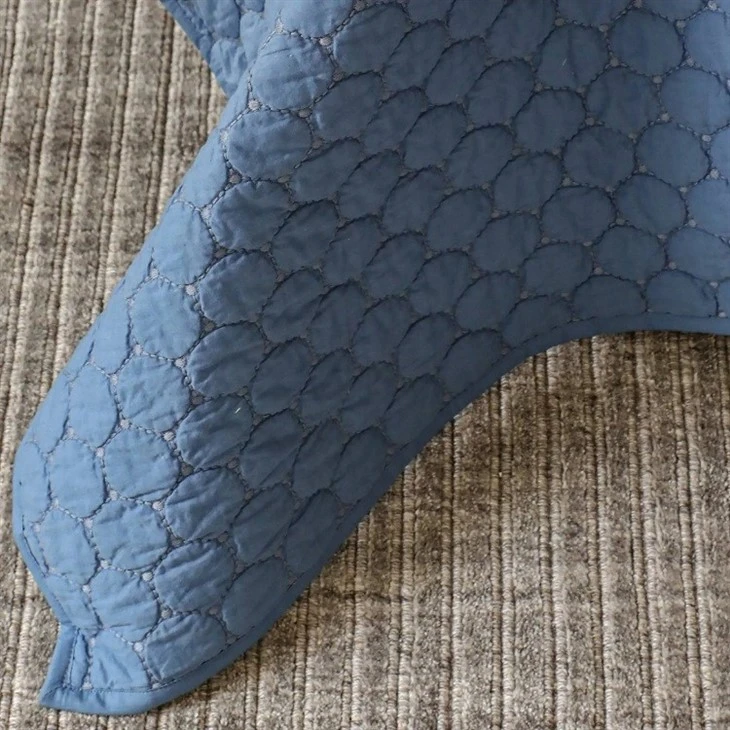
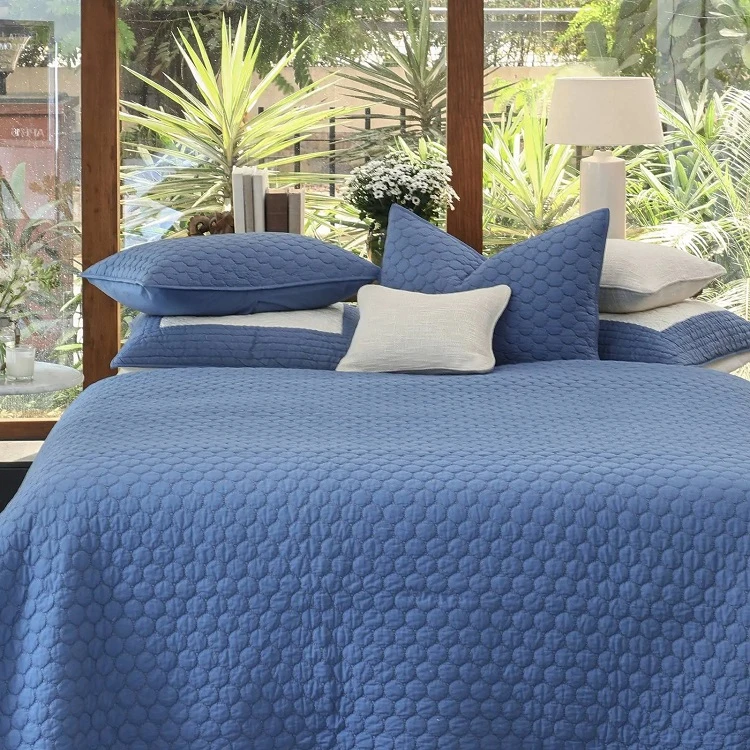
As a supplier of embroidered quilts, I am proud to be a part of this rich history. I offer a wide range of embroidered quilts, including Embroidery Quilt Set Hexagon Pattern, Cotton Waffle Quilt, and Solid Embroidered Quilts And Bedspreads. Each of our quilts is carefully crafted by skilled artisans, using high-quality materials and traditional techniques.
Whether you are looking for a beautiful and functional bedcover or a unique piece of art to decorate your home, our embroidered quilts are sure to meet your needs. If you are interested in learning more about our products or would like to discuss a custom order, please feel free to contact us. We would be happy to help you find the perfect embroidered quilt for your home.
References
- "The History of Quilting" by Jane Churchill
- "Quilting Through the Ages" by Mary Bywater Cross
- "The Quilt Index: A Searchable Database of American Quilts"