


Absorbency is a crucial factor when it comes to bedding, as it directly impacts comfort and functionality. Stonewashed quilts, a popular choice in the bedding market, offer unique absorbency characteristics that set them apart from other types of quilts. In this blog, we'll explore what the absorbency of stonewashed quilts entails, and as a stonewashed quilts supplier, we'll provide in - depth insights into this topic.
Understanding Stonewashed Quilts
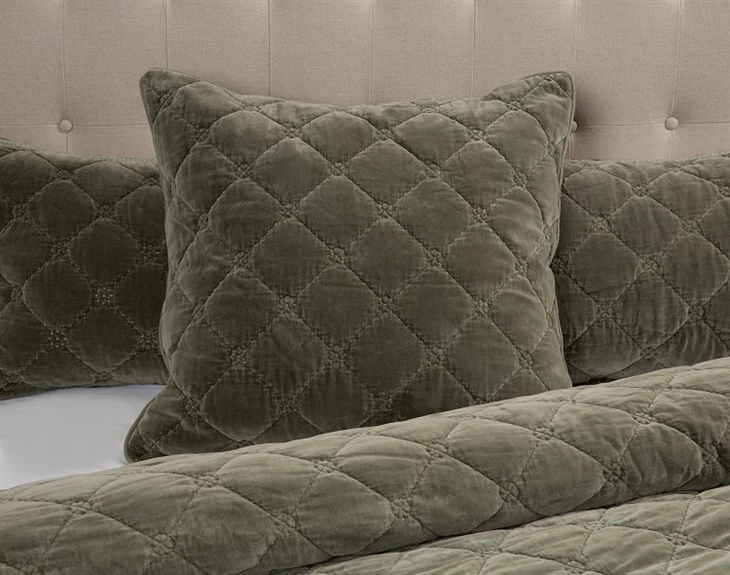
Stonewashed quilts are crafted through a specialized process that involves washing the fabric with stones. This process not only gives the quilt a soft, worn - in look but also enhances its texture and feel. The materials commonly used for stonewashed quilts are cotton and blends that often include cotton due to its excellent natural properties.
The stonewashing process can vary in intensity and duration, which in turn affects the fabric's structure. For example, a longer stonewashing time might break down the fibers on the surface of the fabric more, potentially altering its absorbency.
Factors Affecting the Absorbency of Stonewashed Quilts
Material Composition
Cotton is the cornerstone of most stonewashed quilts. Cotton fibers have a natural ability to absorb moisture. They are made up of cellulose, which contains hydroxyl groups that can attract and hold water molecules. When a person sleeps under a stonewashed cotton quilt, the cotton can absorb sweat and other moisture, keeping the sleeper dry and comfortable.
However, if the quilt is a blend, the percentage of cotton and other fibers plays a significant role. For instance, if a quilt has a high percentage of synthetic fibers like polyester, the absorbency may be reduced. Polyester is a hydrophobic material, meaning it repels water rather than absorbing it. So, a stonewashed quilt with a large proportion of polyester will not be as absorbent as a pure cotton one.
Stonewashing Process
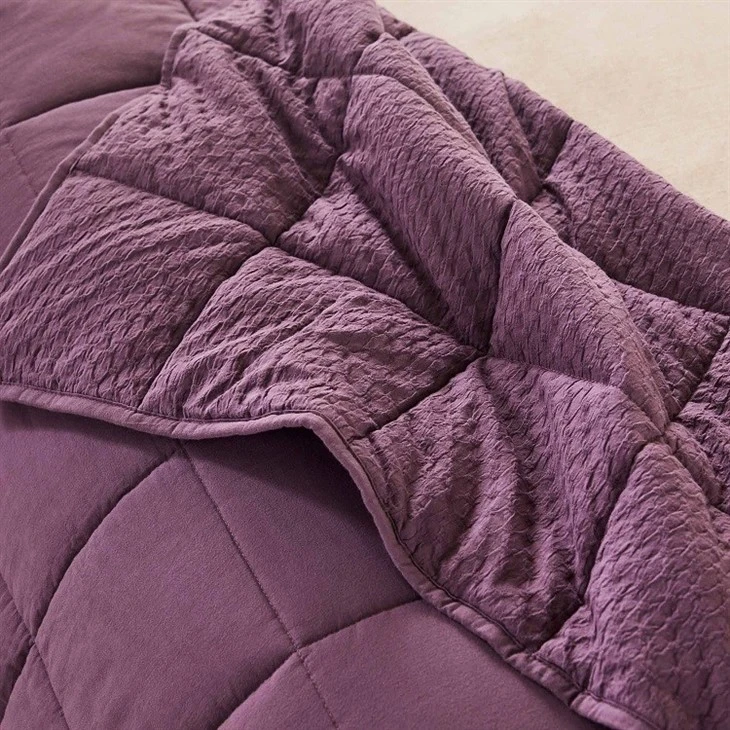
The stonewashing process can have both positive and negative impacts on absorbency. On one hand, the abrasion from the stones can open up the fabric's pores, allowing it to absorb moisture more easily. The stones can also remove any sizing or finishing agents that might have been applied to the fabric during the manufacturing process. These agents can sometimes act as barriers to moisture absorption, so their removal can enhance the quilt's ability to soak up water.
On the other hand, if the stonewashing is too aggressive, it can damage the cotton fibers. Over - abrasion can break the fibers into smaller pieces, reducing their surface area available for moisture absorption. It can also cause the fibers to become matted together, blocking the pores and hindering the passage of water through the fabric.
Fabric Weave
The way the fabric is woven in a stonewashed quilt also affects its absorbency. A looser weave generally allows for better absorbency. In a loose weave, there are more spaces between the yarns, which provides more room for water to penetrate and be held within the fabric. For example, a quilt with a plain weave that has a relatively open structure may absorb moisture faster than a quilt with a tight twill or satin weave.
Measuring the Absorbency of Stonewashed Quilts
There are several methods to measure the absorbency of stonewashed quilts. One common way is the drip test. In this test, a small amount of water is dropped onto the surface of the quilt, and the time it takes for the water to be absorbed is measured. A shorter absorption time indicates higher absorbency.
Another method is the immersion test. The quilt sample is fully immersed in water for a set period, and then the amount of water it has absorbed is measured by weighing the quilt before and after immersion. The difference in weight represents the amount of water absorbed.
Benefits of High Absorbency in Stonewashed Quilts
Comfort
A highly absorbent stonewashed quilt provides a more comfortable sleeping environment. As it absorbs sweat and moisture, it helps to regulate body temperature. When a person sleeps, their body naturally generates heat and moisture. An absorbent quilt can wick away this moisture, preventing the feeling of being wet and sticky, which can disrupt sleep.
Hygiene
Absorbency also contributes to better hygiene. By absorbing moisture, the quilt reduces the growth of bacteria and mold. Bacteria and mold thrive in moist environments, and a quilt that can quickly absorb and evaporate moisture helps to keep the bedding clean and fresh.
Applications and Considerations
Stonewashed quilts with high absorbency are suitable for a variety of settings. They are ideal for people who live in warm and humid climates, as they can help manage the excess moisture in the air and on the body. They are also great for those who tend to sweat a lot during sleep.
However, it's important to note that high absorbency also means longer drying times. If a stonewashed quilt gets wet, it will take more time to dry compared to a less absorbent one. This can be a drawback in areas with limited sunlight or high humidity, as the quilt may develop a musty smell if it doesn't dry properly.
Our Stonewashed Quilts Offerings
As a stonewashed quilts supplier, we take pride in offering a wide range of products with excellent absorbency. Our Stonewashed Cotton Quilt is made from high - quality cotton, ensuring maximum moisture absorption. We carefully control the stonewashing process to enhance the fabric's absorbency without damaging the fibers.
Our Stonewashed Quilt Set and Stone Washed Quilt Set are designed to provide not only absorbency but also a stylish addition to any bedroom. The sets include a quilt and coordinating shams, all crafted with the same attention to detail and quality.
Contact Us for Procurement
If you are interested in purchasing our stonewashed quilts for your business or personal use, we invite you to contact us for procurement. We can provide you with samples, detailed product information, and competitive pricing. Our team is ready to assist you in finding the perfect stonewashed quilts that meet your absorbency and aesthetic requirements.
References
- "Textile Science and Technology: Fundamentals of Textile Structure, Design, and Performance" by Horrocks, A. R., & Anand, S. C.
- "Cotton: Science and Technology" by Basra, A. S.