


When it comes to maintaining the pristine condition of comforters, stain removal is a crucial aspect. As a comforter supplier, I understand the importance of providing customers with not only high - quality comforters but also the knowledge on how to keep them looking their best. In this blog, I'll share some of the best stain removers for comforters, considering different types of stains and comforter materials.
Understanding Comforter Materials
Before delving into stain removers, it's essential to understand the materials your comforters are made of. Comforters can be crafted from a variety of materials such as cotton, polyester, down, and flannel. Each material has its own characteristics and may require different stain - removal approaches.
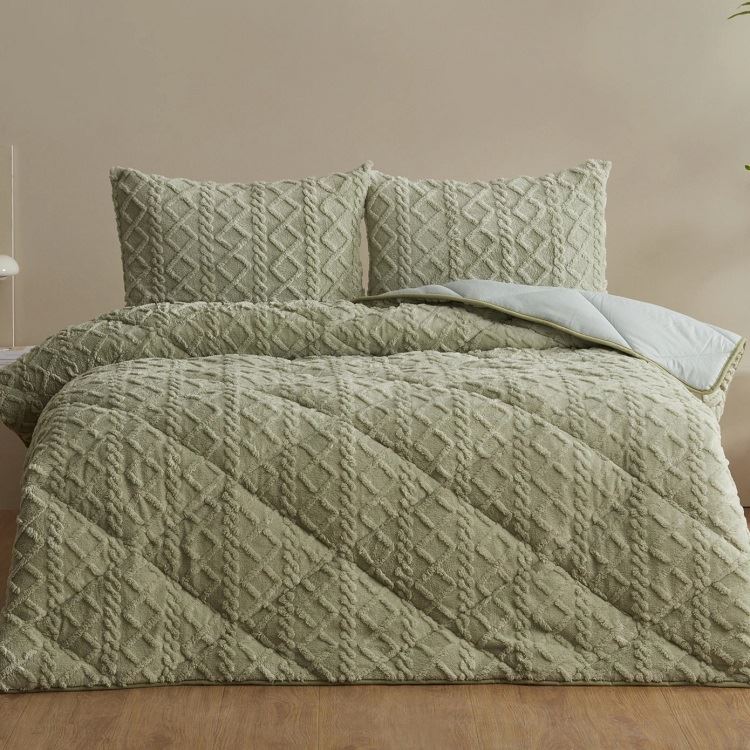
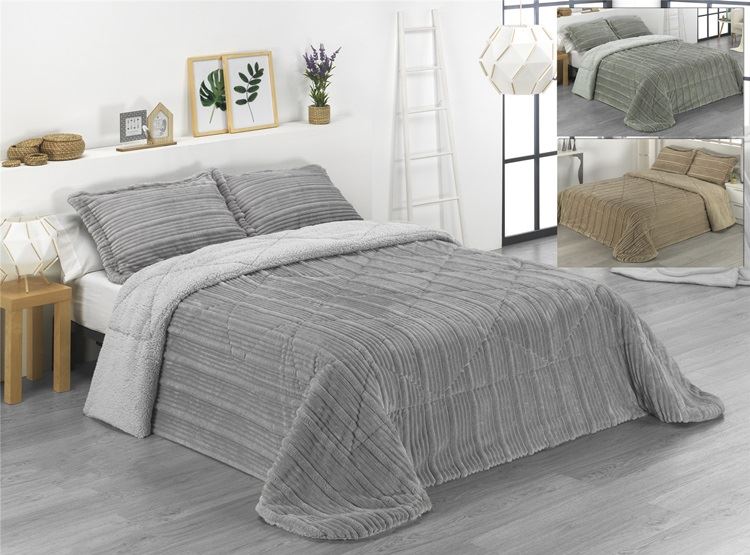
Cotton comforters are breathable and absorbent, but they can also easily absorb stains. Polyester comforters are more resistant to stains and wrinkles, making them relatively easier to clean. Down comforters are luxurious and warm, but they need special care as the down feathers can clump if not treated properly. Flannel comforters, like our Super Warm Flannel Fleece Quilt Set, Striped Jacquard Flannel Comforter Set, and 3D Pattern Flannel Fleece Comforter Set, are soft and cozy, but their fabric texture may trap stains.
Types of Stains and Suitable Removers
Food and Beverage Stains
Food and beverage stains are common on comforters, especially if you enjoy eating or drinking in bed. Coffee, tea, wine, and food spills can leave unsightly marks.
- Vinegar and Baking Soda: A natural and effective solution for many food stains. Mix equal parts of white vinegar and water in a spray bottle. Spray the solution on the stain and let it sit for a few minutes. Then, sprinkle baking soda on the wet stain and gently rub it in with a soft cloth. Rinse the area with cold water. Vinegar helps to break down the stain, while baking soda acts as a mild abrasive and deodorizer.
- Commercial Enzyme Cleaners: These cleaners are specifically designed to break down organic stains like food and beverage spills. They contain enzymes that target the proteins and carbohydrates in the stains. Follow the instructions on the product label, usually by applying the cleaner directly to the stain, letting it sit for a specified time, and then washing the comforter as usual.
Sweat and Body Oil Stains
Sweat and body oils can accumulate on comforters over time, especially in areas where your body comes into contact with the bedding. These stains can cause discoloration and unpleasant odors.
- Lemon Juice: Lemon juice is a natural bleaching agent and can help remove sweat and body oil stains. Squeeze fresh lemon juice onto the stain and let it sit in the sun for a few hours. The acid in the lemon juice will break down the oils and lighten the stain. Afterward, wash the comforter as normal.
- Dish Soap: A small amount of mild dish soap can be effective in removing body oil stains. Mix a few drops of dish soap with warm water and apply it to the stain. Gently rub the area with a soft cloth, then rinse thoroughly. Dish soap is formulated to cut through grease and oil, making it suitable for this type of stain.
Ink Stains
Ink stains can be particularly stubborn, but there are ways to remove them from comforters.
- Rubbing Alcohol: Dampen a cotton ball with rubbing alcohol and gently blot the ink stain. Start from the outer edge of the stain and work your way in to prevent spreading. Keep blotting until the ink is transferred to the cotton ball. Rinse the area with cold water and wash the comforter.
- Hairspray: Some hairsprays contain ingredients that can break down ink. Spray a small amount of hairspray on the stain and let it sit for a few minutes. Then, blot the stain with a clean cloth. Repeat the process until the stain is removed, and then wash the comforter.
General Tips for Stain Removal
- Act Quickly: The sooner you treat a stain, the easier it will be to remove. As soon as you notice a stain on your comforter, start the stain - removal process.
- Test in an Inconspicuous Area: Before applying any stain remover to the entire stain, test it in a small, hidden area of the comforter to make sure it doesn't cause discoloration or damage to the fabric.
- Follow the Care Instructions: Always check the care label on your comforter for specific washing and stain - removal instructions. Some comforters may require professional cleaning or have restrictions on the type of cleaning agents you can use.
Professional Cleaning vs. At - Home Cleaning
While many stains can be removed at home, there are times when professional cleaning is necessary.
- When to Choose Professional Cleaning: If the stain is large, deeply set, or if you're unsure how to treat it without damaging the comforter, it's best to take it to a professional cleaner. Professional cleaners have the expertise and specialized equipment to handle different types of stains and comforter materials. They can also ensure that the comforter is properly cleaned and dried to prevent damage.
- Benefits of At - Home Cleaning: At - home cleaning can be more convenient and cost - effective for minor stains. You can use natural and readily available ingredients, and you have more control over the cleaning process. However, it's important to follow the proper procedures to avoid damaging the comforter.
Conclusion
Maintaining the cleanliness of your comforters is essential for their longevity and your comfort. By understanding the different types of stains and the appropriate stain - removal methods for your comforter's material, you can keep your bedding looking and feeling fresh. As a comforter supplier, I'm committed to providing you with high - quality products and the knowledge to take care of them.
If you're interested in purchasing our comforters or have any questions about stain removal or comforter care, feel free to reach out for a procurement discussion. We're here to assist you in finding the perfect comforters for your needs.
References
- "The Complete Guide to Bedding Care" by Home Textiles Today
- "Stain Removal Handbook" by Cleaning Institute