


A comforter insert is an essential part of a cozy and comfortable bedding setup. As a supplier of high - quality comforters, I've had the privilege of understanding in - depth how these inserts work and why they are so important for a good night's sleep. In this blog, I'll delve into the mechanics, materials, and benefits of comforter inserts.
The Basic Mechanics of a Comforter Insert
At its core, a comforter insert works by trapping air within its layers. Air is a natural insulator, and when it's held in place by the structure of the comforter, it creates a barrier that helps to regulate body temperature. When you're under a comforter insert, the warm air your body emits gets trapped, preventing it from escaping into the colder environment of the room. Conversely, in warmer conditions, the comforter can also prevent external heat from reaching your body.
The way a comforter insert traps air depends on its construction. Most comforters have a baffle - box or sewn - through design. In a baffle - box comforter, vertical fabric strips are sewn between the top and bottom layers of the comforter. These strips create individual compartments that hold the filling in place. This design ensures that the filling doesn't shift around, maintaining an even distribution of warmth throughout the comforter.
On the other hand, a sewn - through comforter is made by directly sewing the top and bottom layers together at regular intervals. While this design is simpler and more cost - effective, it can sometimes lead to the filling bunching up in the corners or edges over time. However, many modern sewn - through comforters are engineered to minimize this issue.
Materials Used in Comforter Inserts
The choice of materials in a comforter insert greatly affects how it works. There are several common materials used, each with its own set of properties.
Down
Down is one of the most popular filling materials for comforter inserts. It comes from the soft under feathers of ducks or geese. Down is incredibly lightweight and has excellent insulating properties. Its three - dimensional clusters create countless tiny air pockets, which are very effective at trapping heat. A high - quality down comforter can keep you warm without feeling heavy on your body. However, down comforters can be expensive, and some people may be allergic to down.
Feather
Feathers are another option. They are larger and stiffer than down. Feather - filled comforters are usually less expensive than down comforters. While feathers can provide good insulation, they may not be as soft or lofty as down. Some people also find that feathers can poke through the fabric of the comforter over time.
Synthetic Fill
Synthetic fills, such as polyester, are a great alternative for those with allergies or on a budget. Synthetic fibers are designed to mimic the insulating properties of down. They are often hypoallergenic, easy to clean, and can be very durable. Some synthetic fills are engineered to be moisture - wicking, which means they can draw sweat away from your body, keeping you dry and comfortable throughout the night.
Wool
Wool is a natural fiber that has excellent insulating and moisture - regulating properties. It can absorb a significant amount of moisture without feeling wet, and it releases the moisture slowly into the air. Wool comforter inserts are also naturally flame - resistant. They are a great choice for people who want a more sustainable and eco - friendly bedding option.
Benefits of Using a Comforter Insert
There are numerous benefits to using a comforter insert. First and foremost, it enhances the comfort of your bed. A well - made comforter insert can provide a soft and plush surface to snuggle under, reducing stress and promoting relaxation.
Comforter inserts also offer versatility. You can easily change the look of your bedding by using different comforter covers. For example, if you want a more luxurious look, you can choose a [Luxury Embossed Flannel Comforter Set](/comforters/luxury - embossed - flannel - comforter - set.html). If you prefer a vintage style, the [Vintage Chenille Jacquard Comforter Set](/comforters/vintage - chenille - jacquard - comforter - set.html) would be a great option. And for a more modern and colorful look, the [Cationic Dyeing Comforter Set](/comforters/cationic - dyeing - comforter - set.html) is available.
In addition, comforter inserts can help to save energy. By keeping you warm at night, you may be able to lower the temperature of your heating system, which can lead to cost savings on your energy bills.
Maintenance and Care of Comforter Inserts
Proper maintenance and care are crucial for ensuring that your comforter insert works effectively and lasts a long time. The care instructions will depend on the filling material.
For down and feather comforters, it's best to have them dry - cleaned periodically. However, if you need to wash them at home, use a gentle cycle with a mild detergent. Make sure to dry them thoroughly on a low - heat setting, and fluff them up frequently during the drying process to prevent the filling from clumping.
Synthetic comforters are generally easier to care for. They can usually be machine - washed and dried on a regular cycle. Wool comforters should be dry - cleaned or hand - washed in cold water with a wool - specific detergent.
Choosing the Right Comforter Insert
When choosing a comforter insert, there are several factors to consider. First, think about your climate. If you live in a cold climate, a down or wool comforter with a high fill power would be a good choice. Fill power is a measure of the loft or fluffiness of down, and a higher fill power means better insulation.
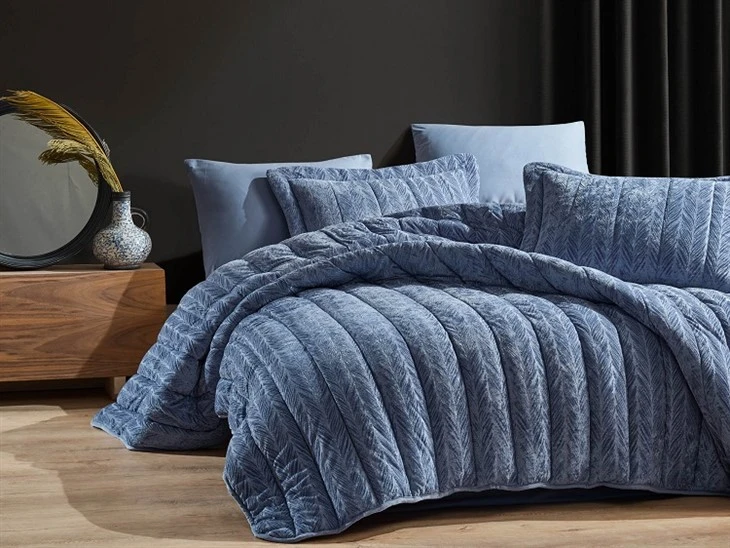
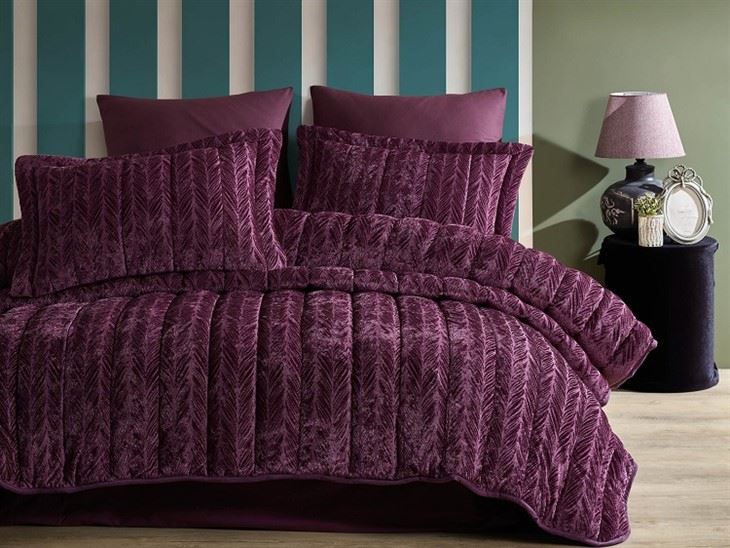
If you live in a warmer climate, a lightweight synthetic or cotton - filled comforter may be more suitable. You should also consider your personal preferences for softness, weight, and style.
Contact for Purchase and Negotiation
If you're interested in purchasing high - quality comforter inserts, I'd be more than happy to assist you. Whether you're a retailer looking to stock our products or an individual seeking a comfortable bedding solution, we can offer you a wide range of options to meet your needs. Feel free to reach out to discuss your requirements, and we can start the negotiation process to find the best deal for you.
References
- Textile Institute. "Insulating Properties of Bedding Materials." Journal of Textile Science and Technology.
- American Down and Feather Council. "Guide to Down and Feather Products."
- Woolmark Company. "Benefits of Wool in Bedding."