


As a seasoned supplier of embroidered quilts, I've had the privilege of delving deep into the art of creating these exquisite pieces. One of the most captivating aspects of embroidered quilts is the texture they possess. A unique texture can transform an ordinary quilt into a work of art, adding depth, dimension, and tactile appeal. In this blog post, I'll share my insights on how to create a unique texture in an embroidered quilt.
Understanding the Basics of Texture in Embroidered Quilts
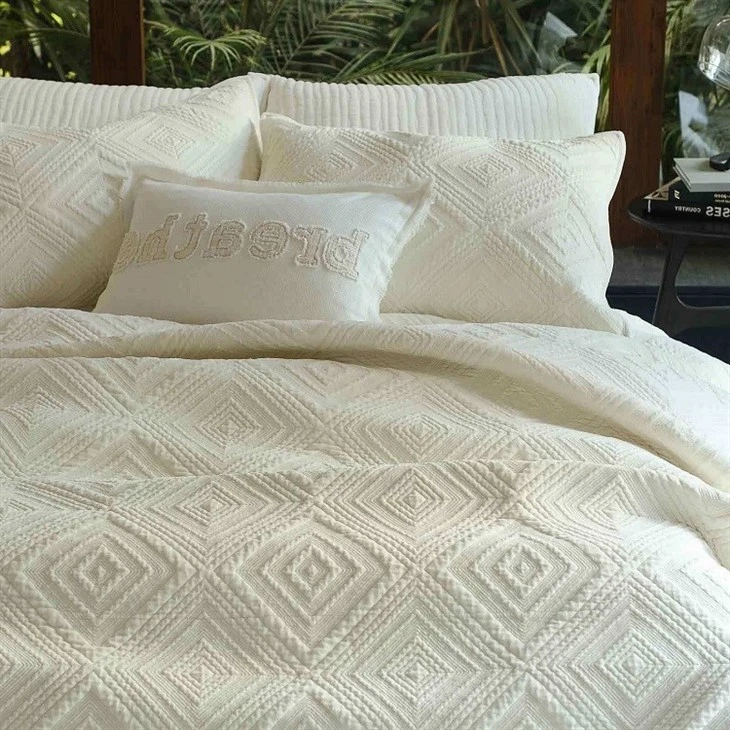
Before we dive into the techniques, it's essential to understand what texture means in the context of embroidered quilts. Texture refers to the surface quality of the quilt, which can be smooth, rough, bumpy, or raised. It can be created through various elements, such as the choice of fabrics, the type of stitches used, and the addition of embellishments.
Choosing the Right Fabrics
The fabric you choose for your embroidered quilt plays a crucial role in determining its texture. Different fabrics have different surface qualities, which can affect the overall look and feel of the quilt. Here are some tips on choosing the right fabrics for a unique texture:
- Mix and Match Fabrics: Combining different types of fabrics, such as cotton, silk, wool, and linen, can create an interesting contrast in texture. For example, you can use a smooth cotton fabric for the background and add patches of textured silk or wool for a more tactile feel.
- Use Fabrics with Natural Textures: Fabrics with natural textures, such as burlap, linen, and tweed, can add a rustic and organic feel to your quilt. These fabrics have a rough and uneven surface, which can create a unique visual and tactile effect.
- Consider the Weight of the Fabric: The weight of the fabric can also affect the texture of the quilt. Heavier fabrics, such as wool and denim, can create a more substantial and durable texture, while lighter fabrics, such as silk and cotton, can create a softer and more delicate texture.
Selecting the Right Stitches
The stitches you use in your embroidery can also contribute to the texture of the quilt. Different stitches have different effects, which can create a variety of textures. Here are some stitches that can help you create a unique texture in your embroidered quilt:
- Satin Stitch: The satin stitch is a smooth and flat stitch that can be used to fill in large areas of the design. It creates a shiny and polished texture, which can add a touch of elegance to the quilt.
- French Knot: The French knot is a small, raised stitch that can be used to create texture and dimension in the design. It can be used to add details, such as eyes, flowers, or dots, to the quilt.
- Chain Stitch: The chain stitch is a looped stitch that can be used to create a continuous line or curve. It creates a textured and organic look, which can add a rustic and handmade feel to the quilt.
- Couching Stitch: The couching stitch is a stitch that is used to attach a thread or cord to the fabric. It can be used to create a raised and textured effect, which can add a three-dimensional look to the quilt.
Adding Embellishments
Embellishments are a great way to add texture and interest to your embroidered quilt. They can be used to enhance the design, add color, and create a unique focal point. Here are some embellishments that you can use to create a unique texture in your embroidered quilt:
- Beads: Beads come in a variety of shapes, sizes, and colors, and can be used to add sparkle and shine to the quilt. They can be sewn onto the fabric using a needle and thread or attached using a glue gun.
- Sequins: Sequins are small, shiny discs that can be used to create a glamorous and eye-catching effect. They can be sewn onto the fabric using a needle and thread or attached using a glue gun.
- Ribbons: Ribbons come in a variety of widths, textures, and colors, and can be used to add a soft and feminine touch to the quilt. They can be sewn onto the fabric using a needle and thread or attached using a glue gun.
- Fringe: Fringe is a decorative trim that can be used to add a bohemian and playful touch to the quilt. It can be sewn onto the edge of the quilt using a needle and thread or attached using a glue gun.
Experimenting with Different Techniques
Creating a unique texture in an embroidered quilt requires experimentation and creativity. Don't be afraid to try new techniques and combinations to see what works best for you. Here are some techniques that you can try to create a unique texture in your embroidered quilt:
- Appliqué: Appliqué is a technique that involves sewing a piece of fabric onto another piece of fabric to create a design. You can use different types of fabrics and stitches to create a variety of textures and effects.
- Reverse Appliqué: Reverse appliqué is a technique that involves cutting away a layer of fabric to reveal a layer of fabric underneath. This technique can create a unique and unexpected texture, as well as a beautiful contrast in color.
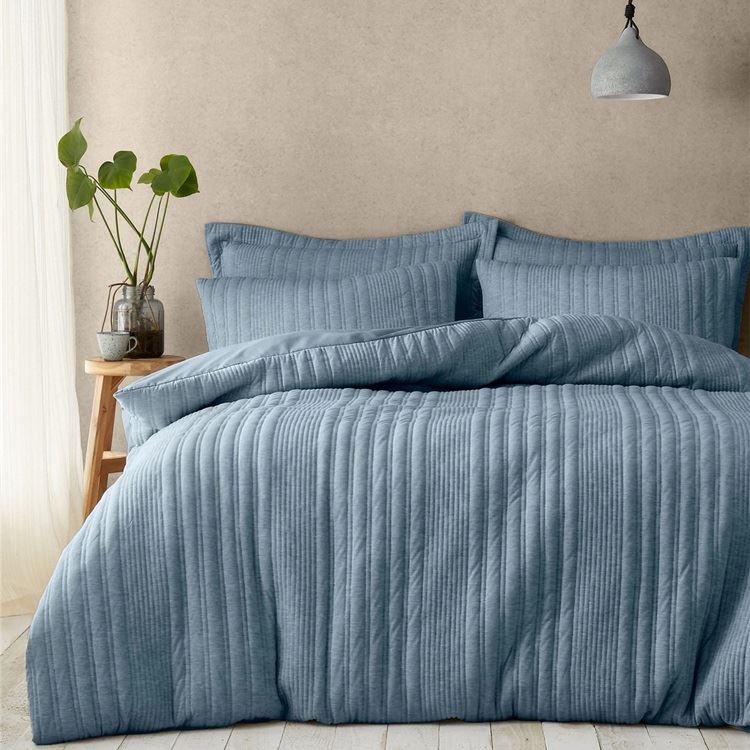
- Quilting: Quilting is a technique that involves stitching layers of fabric together to create a padded and textured effect. You can use different types of stitches and patterns to create a variety of textures and designs.
- Embellishing with Yarn: Yarn can be used to add texture and dimension to your embroidered quilt. You can use different types of yarn, such as wool, cotton, and silk, and different stitches, such as embroidery stitches and knitting stitches, to create a variety of textures and effects.
Showcasing Our Products
At our company, we take pride in creating high-quality embroidered quilts with unique textures. Our Embroidered Striped Quilt Set features a combination of smooth cotton fabric and textured embroidery stitches, creating a visually appealing and tactile experience. The Soft Red Embroidered Quilt Set uses a soft red fabric with intricate embroidery, adding a touch of elegance and warmth to any bedroom. And our Ultra Soft Embroidered Quilt Set is made with ultra-soft fabric and delicate embroidery, providing a luxurious and comfortable feel.
Conclusion
Creating a unique texture in an embroidered quilt is a combination of artistry, creativity, and technical skill. By choosing the right fabrics, stitches, and embellishments, and by experimenting with different techniques, you can create a quilt that is not only beautiful but also tactile and unique. Whether you're a beginner or an experienced quilter, I encourage you to explore the world of texture in embroidered quilts and create your own masterpiece.
If you're interested in purchasing our embroidered quilts or have any questions about our products, please feel free to contact us for a procurement discussion. We look forward to working with you to bring your vision to life.
References
- "The Complete Book of Quilting" by Gail Cadden
- "Embroidered Quilts: A Treasury of Designs" by Carol Doak
- "Quilting with Texture" by Jennifer Sampou