


As a supplier of colorful patchwork quilt sets, I often receive inquiries from customers on how to add more colors to their existing sets. This blog post aims to share some practical and creative ways to enhance the color palette of your patchwork quilt set, making it even more vibrant and unique.
Understanding the Basics of Color in Patchwork Quilts
Before diving into the methods of adding more colors, it's essential to understand the basic principles of color in patchwork quilts. Patchwork quilts are known for their rich and diverse color combinations, which can evoke different moods and aesthetics. Colors can be grouped into warm colors (such as red, orange, and yellow) and cool colors (such as blue, green, and purple). Complementary colors, which are opposite each other on the color wheel, can create a striking contrast, while analogous colors, which are adjacent to each other, offer a more harmonious look.
When adding colors to an existing quilt set, consider the overall color scheme of the set. If it has a predominantly warm color palette, you can add pops of cool colors to create a balanced and dynamic look. Conversely, if the set is mostly cool-toned, warm colors can be introduced to add warmth and energy.
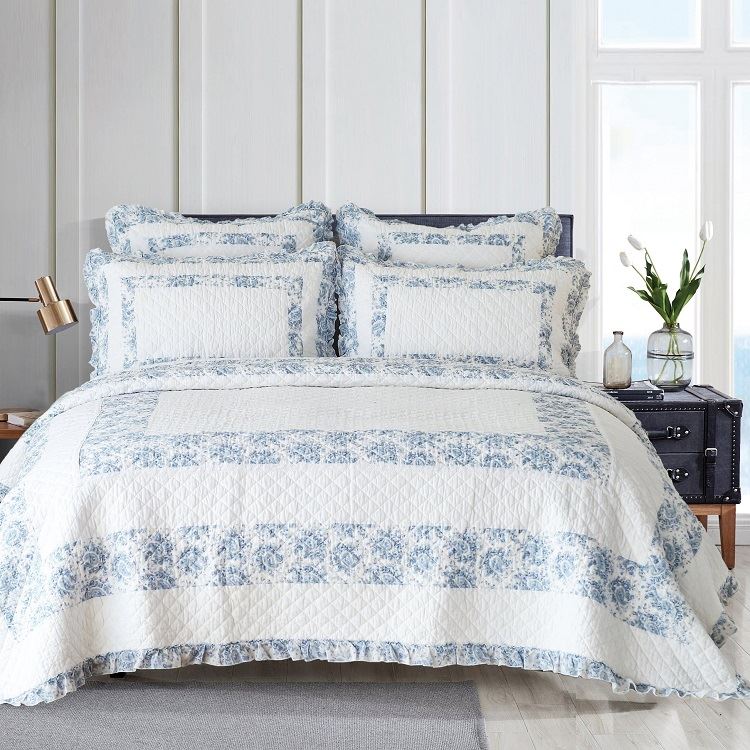

1. Adding New Fabric Patches
One of the most straightforward ways to add more colors to a patchwork quilt set is by incorporating new fabric patches. You can choose fabrics that complement the existing colors in the set or introduce new and contrasting hues for a bold statement.
- Selecting Fabrics: Look for high-quality fabrics that match the texture and weight of the existing quilt. Cotton is a popular choice for patchwork quilts due to its durability and breathability. You can find a wide range of colorful fabrics at fabric stores or online. Consider the pattern and print of the fabric as well. Geometric patterns, floral prints, and abstract designs can all add visual interest to the quilt.
- Cutting and Sewing: Once you have selected the fabrics, cut them into appropriate shapes and sizes. You can use templates or freehand cutting techniques. Sew the new patches onto the quilt using a sewing machine or by hand. Make sure to align the seams properly and use a thread color that matches the fabric. You can create different patchwork designs, such as squares, triangles, or hexagons, to add variety to the quilt.
For example, if your quilt set has a lot of solid-colored patches, you can add fabric patches with intricate patterns to break up the monotony. Or, if the set has a predominantly floral theme, you can introduce some geometric patches for a modern twist.
2. Embellishing with Embroidery
Embroidery is a beautiful way to add color and texture to a patchwork quilt set. You can use embroidery floss in various colors to create decorative motifs, such as flowers, leaves, or stars.
- Choosing Embroidery Designs: There are countless embroidery designs available online or in embroidery books. You can choose designs that complement the overall theme of the quilt set. For a more traditional look, you can opt for classic floral or geometric designs. If you want a more contemporary style, abstract or modern motifs can be a great choice.
- Embroidery Techniques: You can use different embroidery techniques, such as satin stitch, chain stitch, and French knots, to create different effects. Satin stitch is ideal for filling in large areas with color, while chain stitch can be used for creating outlines or borders. French knots add a three-dimensional element to the embroidery. Embroider the designs onto the quilt using an embroidery hoop to keep the fabric taut.
Embroidery can add a personalized touch to the quilt set and make it truly one-of-a-kind. You can focus on specific areas of the quilt, such as the corners or the center, or spread the embroidery throughout the entire set.
3. Incorporating Tassels and Fringe
Tassels and fringe are decorative elements that can add a touch of bohemian charm and extra color to a patchwork quilt set.
- Selecting Tassels and Fringe: Look for tassels and fringe in colors that coordinate with the existing quilt. You can find them in various lengths, thicknesses, and textures. Cotton tassels are soft and natural-looking, while silk tassels add a touch of elegance. Fringe can come in different widths and styles, such as straight or scalloped.
- Attaching Tassels and Fringe: Sew the tassels or fringe onto the edges of the quilt or along the seams. You can use a strong thread and make sure to secure them firmly. You can also experiment with different arrangements, such as alternating colors or creating a gradient effect.
Tassels and fringe can add movement and visual interest to the quilt set. They are especially effective on the edges of the quilt, where they can catch the light and draw attention.
4. Using Dyeing Techniques
Dyeing is a more advanced method of adding colors to a patchwork quilt set, but it can yield stunning results. You can use fabric dyes to change the color of the existing quilt or create unique color blends.
- Choosing Dyes: There are different types of fabric dyes available, such as natural dyes and synthetic dyes. Natural dyes, such as indigo or turmeric, offer a more organic and earthy look, while synthetic dyes provide a wider range of vibrant colors. Make sure to choose dyes that are suitable for the fabric type of the quilt.
- Dyeing Methods: You can use various dyeing methods, such as immersion dyeing, tie-dyeing, or dip-dyeing. Immersion dyeing involves soaking the entire quilt in a dye bath, while tie-dyeing allows you to create patterns by tying the fabric with rubber bands before dyeing. Dip-dyeing is a technique where you dip the edges or parts of the quilt into the dye to create a gradient effect.
Before dyeing the entire quilt, it's a good idea to test the dye on a small, inconspicuous area of the fabric to ensure that you achieve the desired color and that the fabric doesn't bleed or fade.
5. Adding Decorative Buttons
Decorative buttons can be a fun and creative way to add more colors and texture to a patchwork quilt set. You can choose buttons in different shapes, sizes, and colors to match the overall style of the quilt.
- Selecting Buttons: Look for buttons that are made of high-quality materials, such as wood, ceramic, or metal. You can find buttons with intricate designs, such as carved patterns or colored inlays. Choose buttons that complement the existing colors in the quilt set.
- Attaching Buttons: Sew the buttons onto the quilt using a strong thread. You can use them to create decorative accents, such as rows of buttons along the edges of the quilt or clusters of buttons in the center. Buttons can also be used to fasten different parts of the quilt together, such as pillowcases or duvet covers.
Buttons can add a touch of whimsy and personality to the quilt set. They can be used to highlight specific areas or to create a focal point.
Showcasing Our Colorful Patchwork Quilt Sets
At our company, we offer a wide range of Vintage Patchwork Cotton Quilt Set, Rustic Star Patchwork Bedspread, and Patchwork Quilt Bedding Set With Ruffled. Our sets are crafted with love and attention to detail, using high-quality materials and vibrant colors. Whether you're looking for a traditional or a modern style, we have the perfect quilt set for you.
If you're interested in adding more colors to your existing patchwork quilt set or purchasing a new one, we're here to help. Our team of experts can provide you with personalized advice and guidance on color selection, fabric choices, and design techniques. We also offer customization services, so you can create a unique quilt set that reflects your personal style.
Conclusion
Adding more colors to an existing colorful patchwork quilt set is a creative and rewarding process. By using the methods mentioned above, you can transform your quilt set into a vibrant and unique work of art. Whether you choose to add new fabric patches, embellish with embroidery, or incorporate decorative elements, the possibilities are endless.
If you have any questions or would like to discuss your patchwork quilt needs, please feel free to reach out to us. We look forward to helping you create the perfect patchwork quilt set.
References
- "The Complete Guide to Patchwork Quilting" by Jane Doe
- "Color Theory for Quilters" by John Smith
- Online resources from fabric stores and quilting communities