


Ultrasonic quilts have gained significant popularity in the bedding market due to their unique manufacturing process and appealing aesthetics. As a leading supplier of ultrasonic quilts, I often encounter questions from customers about the density of these products. In this blog post, I will delve into the topic of whether ultrasonic quilts have a uniform density, exploring the factors that influence density and how it impacts the quality and performance of the quilts.
Understanding Ultrasonic Quilts
Before discussing density, it's essential to understand what ultrasonic quilts are. Ultrasonic quilting is a modern manufacturing technique that uses high - frequency sound waves to bond multiple layers of fabric together. This process creates a quilted pattern without the need for traditional stitching, resulting in a smooth, seamless appearance. Ultrasonic quilts typically consist of a top layer, a batting layer, and a bottom layer, all fused together using ultrasonic energy.
Factors Affecting the Density of Ultrasonic Quilts
The density of an ultrasonic quilt is not always uniform and can be influenced by several factors:
1. Batting Material
The type of batting used in the quilt plays a crucial role in determining its density. Different batting materials have different inherent densities. For example, cotton batting is generally less dense compared to polyester batting. Cotton has a more natural and lofty structure, which can result in a quilt with a slightly lower overall density. On the other hand, polyester batting can be engineered to have a higher density, providing more warmth and durability.
2. Batting Thickness
The thickness of the batting also affects the density of the quilt. A thicker batting will generally result in a higher - density quilt, as there is more material packed into the same area. However, it's important to note that if the batting is too thick, it may not bond evenly during the ultrasonic quilting process, leading to variations in density.
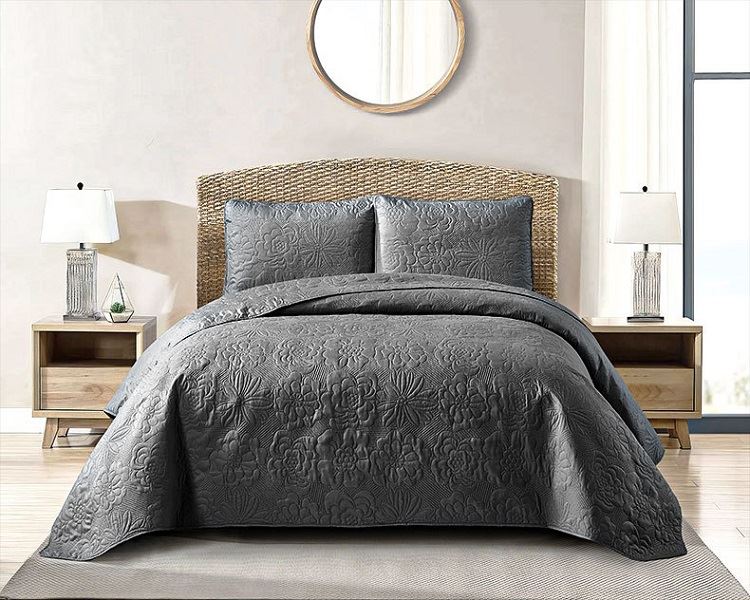
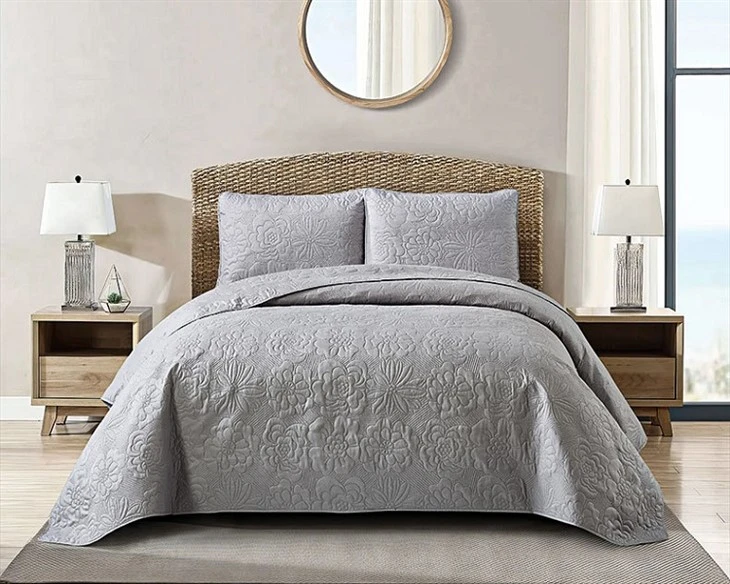
3. Ultrasonic Quilting Pattern
The pattern used in ultrasonic quilting can influence the density distribution. Quilting patterns with more frequent or closely spaced bonds will compress the batting more in those areas, resulting in higher density. Patterns with wider spacing between bonds will have less compression, leading to lower density in those regions. For instance, a diamond - shaped quilting pattern may create areas of varying density depending on the size and spacing of the diamonds.
4. Fabric Tension
During the manufacturing process, the tension applied to the fabric layers can impact the density of the quilt. If the fabric is pulled too tightly, it can cause the batting to compress unevenly, resulting in density variations. Conversely, if the fabric has too little tension, the layers may not bond properly, also leading to inconsistent density.
Importance of Density in Ultrasonic Quilts
The density of an ultrasonic quilt has several implications for its quality and performance:
1. Warmth
Density is directly related to the warmth provided by the quilt. A higher - density quilt will generally trap more air, which acts as an insulator, keeping the user warmer. This is particularly important for quilts used in colder climates or during the winter months.
2. Durability
Quilts with a more uniform density are often more durable. Even density ensures that the stress and wear are evenly distributed across the quilt, reducing the likelihood of premature wear and tear. In contrast, quilts with significant density variations may experience more stress in areas of lower density, leading to faster deterioration.
3. Aesthetics
The density of the quilt can also affect its appearance. A quilt with a uniform density will have a smoother and more consistent look, enhancing its visual appeal. Density variations can create visible bumps or unevenness on the surface of the quilt, which may be less aesthetically pleasing.
Our Approach to Ensuring Density Consistency
As a supplier of ultrasonic quilts, we are committed to producing products with as uniform a density as possible. We take several steps to achieve this:
1. Quality Batting Selection
We carefully select high - quality batting materials with consistent densities. We work closely with our suppliers to ensure that the batting meets our strict quality standards. By using batting with a known and stable density, we can better control the overall density of the quilt.
2. Precision Quilting Patterns
Our design team creates quilting patterns that are optimized for even density distribution. We use advanced computer - aided design (CAD) software to calculate the ideal spacing and shape of the quilting bonds. This allows us to minimize density variations and create a more uniform quilt.
3. Tension Control
During the manufacturing process, we use state - of - the - art machinery to control the tension of the fabric layers. This ensures that the fabric is held at the optimal tension throughout the ultrasonic quilting process, preventing uneven compression of the batting.
Our Product Range
We offer a wide range of ultrasonic quilts to meet the diverse needs of our customers. Some of our popular products include:
- Modern Pattern Ultrasonic Bedding Set: This set features a contemporary and stylish pattern, made with high - quality materials for a consistent density and a luxurious feel.
- Solid Ultrasonic Reversible Quilt Set: A classic and versatile option, this set offers a solid color design that can be easily coordinated with any bedroom decor. Our manufacturing process ensures a uniform density for long - lasting quality.
- Ultrasonic Printed Quilt Set: With vibrant and detailed prints, this set adds a touch of personality to your bedroom. We pay close attention to density control to ensure that the print looks sharp and the quilt feels comfortable.
Conclusion
In conclusion, while ultrasonic quilts do not always have a perfectly uniform density, it is possible to minimize density variations through careful material selection, pattern design, and manufacturing processes. At our company, we are dedicated to producing high - quality ultrasonic quilts with as consistent a density as possible. Our commitment to quality ensures that our customers receive quilts that are warm, durable, and aesthetically pleasing.
If you are interested in purchasing our ultrasonic quilts or have any questions about our products, we invite you to contact us for a purchase negotiation. We look forward to working with you to meet your bedding needs.
References
- "Textile Manufacturing Processes" by Joseph H. Priestley.
- "The Science of Bedding Materials" by Sarah Thompson.
- Industry research reports on ultrasonic quilting technology.