


Tufted cotton cushion covers are a popular choice for adding a touch of comfort and style to any living space. They come in various designs and colors, making them a versatile option for both modern and traditional interiors. However, one question that often arises is whether tufted cotton cushion covers static - cling. As a supplier of tufted cotton cushion covers, I've delved into this topic to provide you with comprehensive insights.
Understanding Static Electricity
Before we explore whether tufted cotton cushion covers static - cling, it's essential to understand what static electricity is. Static electricity is the result of an imbalance of electric charges within or on the surface of a material. When two materials come into contact and then separate, electrons can transfer from one material to the other. This transfer creates an electric charge imbalance, leading to static electricity.
Materials can be classified as conductors, insulators, or semiconductors based on their ability to conduct electricity. Conductors, such as metals, allow electrons to flow freely, while insulators, like rubber and most plastics, do not. Cotton is an insulator, which means it can accumulate static charges under certain conditions.
Factors Affecting Static Cling in Tufted Cotton Cushion Covers
Several factors can influence whether tufted cotton cushion covers will static - cling.

Humidity
Humidity plays a significant role in static electricity. In dry environments, the air contains less moisture, which allows static charges to build up more easily. When the humidity is low, the electrons on the surface of the cotton cushion cover have a harder time dissipating, leading to static cling. On the other hand, in high - humidity environments, the moisture in the air helps to conduct the static charges away from the material, reducing the likelihood of static cling.
For example, during the winter months when indoor heating systems are running, the air tends to be drier, and you may notice more static cling on your tufted cotton cushion covers. In contrast, during the summer or in areas with high natural humidity, static cling is less of an issue.
Fabric Treatment
The way the tufted cotton cushion covers are treated can also affect static cling. Some manufacturers apply anti - static treatments to their cotton fabrics. These treatments work by either increasing the conductivity of the fabric or by reducing the friction between the fibers, which in turn reduces the generation of static charges.
If the tufted cotton cushion covers have been treated with an anti - static agent, they are less likely to static - cling. However, over time, the effectiveness of these treatments may wear off, especially with repeated washing.
Friction
Friction is another major factor in static electricity generation. When the tufted cotton cushion cover rubs against other materials, such as clothing or upholstery, electrons can be transferred, creating a static charge. For instance, if you frequently sit on a couch with tufted cotton cushion covers and your clothes rub against them, static charges can build up.
The type of other materials involved also matters. Synthetic fabrics, such as polyester and nylon, are more likely to generate static electricity when rubbed against cotton. So, if you have synthetic clothing and sit on the tufted cotton cushion covers, the chances of static cling increase.
Testing Whether Your Tufted Cotton Cushion Covers Static - Cling
If you're unsure whether your tufted cotton cushion covers static - cling, you can perform a simple test. Rub the cushion cover vigorously with a synthetic fabric, such as a polyester scarf, for about 30 seconds. Then, hold the cushion cover near a small piece of paper. If the paper is attracted to the cushion cover, it indicates that static electricity is present, and the cushion cover static - clings.
Preventing Static Cling in Tufted Cotton Cushion Covers
If you find that your tufted cotton cushion covers static - cling, there are several steps you can take to prevent it.
Increase Humidity
As mentioned earlier, increasing the humidity in your living space can help reduce static electricity. You can use a humidifier to add moisture to the air. Place the humidifier in the room where the tufted cotton cushion covers are located, especially during dry seasons.
Another way to increase humidity is by placing bowls of water around the room. As the water evaporates, it adds moisture to the air.
Use Anti - Static Products
There are various anti - static products available in the market. Anti - static sprays can be applied to the tufted cotton cushion covers. These sprays work by creating a thin layer on the fabric surface that helps to dissipate static charges.
You can also use anti - static dryer sheets when washing and drying the cushion covers. Simply toss a dryer sheet into the dryer with the cushion covers. The dryer sheet releases a thin film of anti - static agents onto the fabric, reducing static cling.
Choose the Right Materials
When using the tufted cotton cushion covers, try to avoid rubbing them against synthetic materials as much as possible. Opt for natural fiber clothing, such as cotton or linen, when sitting on the cushions. This reduces the amount of friction and static charge generation.
Our Tufted Cotton Cushion Covers
As a supplier of tufted cotton cushion covers, we take great care in ensuring the quality of our products. Our tufted cotton cushion covers are made from high - quality cotton that has been carefully selected for its softness and durability.
We offer a wide range of designs, from classic to contemporary, to suit different interior styles. Whether you're looking for a simple, solid - colored tufted cotton cushion cover or one with an intricate pattern, we have something for you. You can explore our collection of Tufted Cotton Cushion Cover.
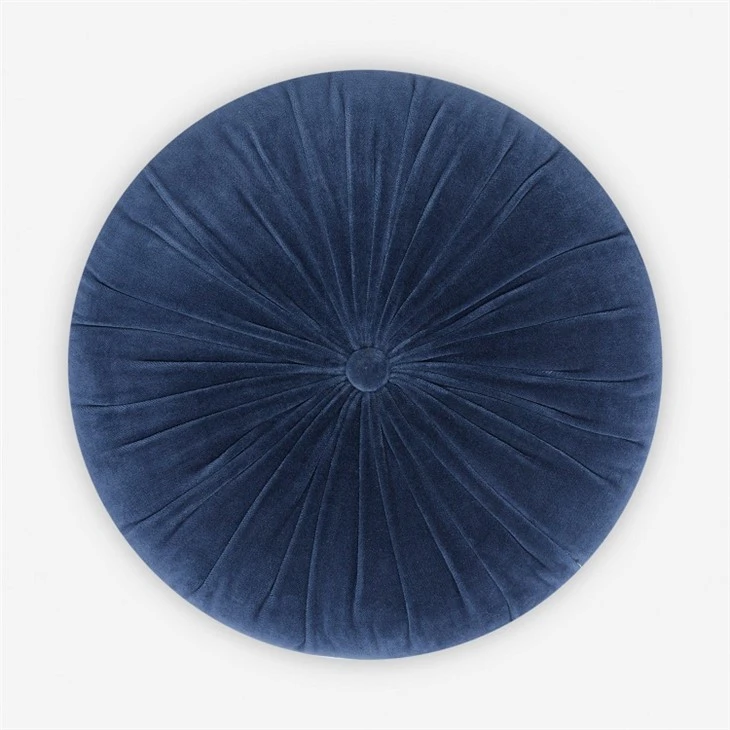
In addition to tufted cotton cushion covers, we also provide other types of cushions, such as Round Velvet Cushion and Flower Shaped Cushion. These cushions can add a unique and stylish touch to your living space.
Contact Us for Purchasing
If you're interested in purchasing our tufted cotton cushion covers or other cushion products, we'd love to hear from you. We offer competitive prices, high - quality products, and excellent customer service. Whether you're a retailer looking to stock our products or an individual looking to enhance your home decor, we can meet your needs. Reach out to us to start a procurement negotiation.
References
- Coulomb, C. A. (1785). Premier mémoire sur l’électricité et le magnétisme. Histoire de l’Académie royale des sciences, 569 - 577.
- Feynman, R. P., Leighton, R. B., & Sands, M. (1964). The Feynman Lectures on Physics, Volume II. Addison - Wesley.
- Halliday, D., Resnick, R., & Walker, J. (2014). Fundamentals of Physics. Wiley.