


Hey there! As a supplier of ultrasonic quilts, I often get asked, "Can ultrasonic quilts be machine-washed?" It's a valid question, and today, I'm gonna break it down for you.
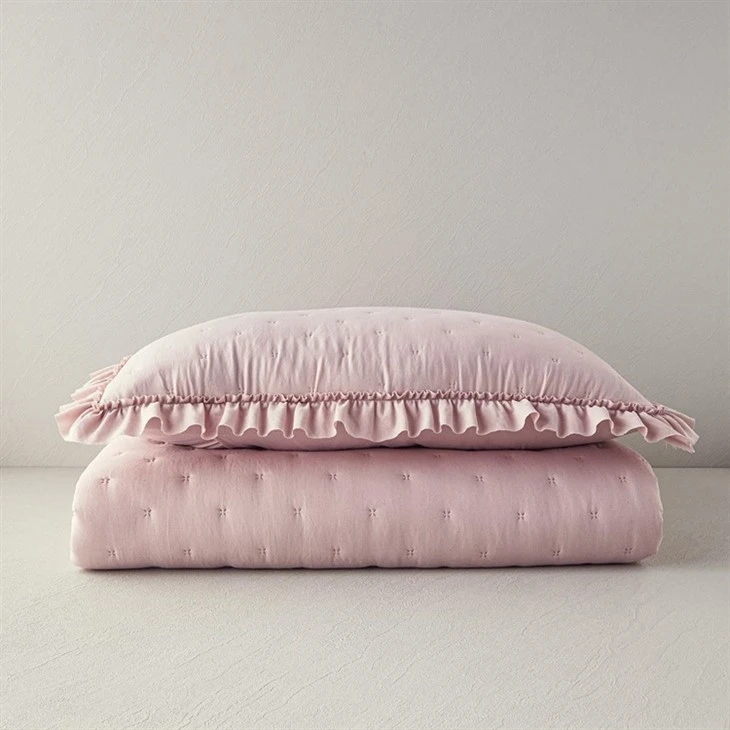
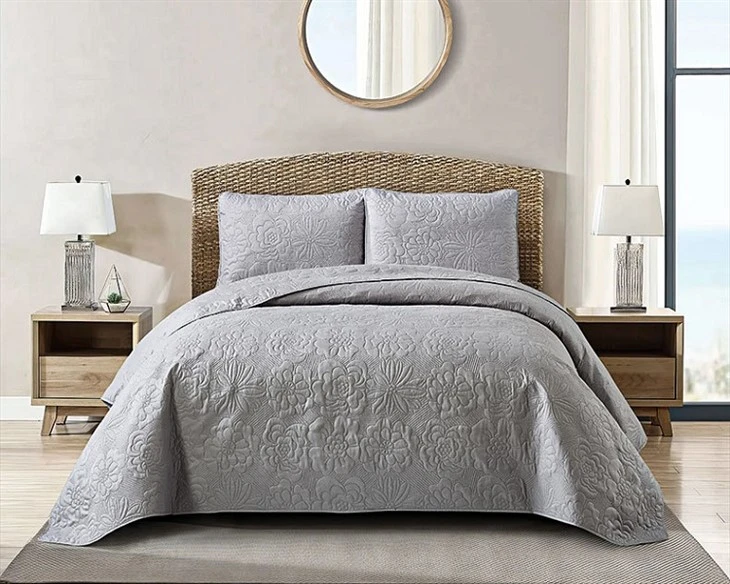
First off, let's talk a bit about what ultrasonic quilts are. Ultrasonic quilting is a modern technique that uses high - frequency sound waves to bond layers of fabric together. This creates a quilt that's not only beautiful but also durable. Our ultrasonic quilts come in a variety of styles, like the Solid Ultrasonic Quilt Set, the Soft Warm Ultrasonic Quilt Set With Ruffled, and the Solid Ultrasonic Reversible Quilt Set.
Now, back to the main question. The short answer is, yes, most ultrasonic quilts can be machine - washed. But there are some important things to keep in mind to make sure your quilt stays in tip - top shape.
Factors to Consider Before Machine - Washing
- Fabric Type: The fabric used in the quilt plays a huge role. If your ultrasonic quilt is made of natural fibers like cotton or linen, they're generally more forgiving in the washing machine. These fabrics can handle the agitation and water well. However, if there are synthetic materials involved, like polyester blends, you need to be a bit more careful. Some synthetics can melt or warp if the water is too hot.
- Thread and Bonding: Ultrasonic quilting bonds the layers together, but the thread used in the process also matters. High - quality thread will hold up better during washing. If the thread is weak, it might start to fray or break in the machine. Also, check the bonding of the layers. A strong ultrasonic bond will keep the quilt intact, but a weak one might come apart in the wash.
- Size and Thickness: A small, thin ultrasonic quilt will be easier to wash than a large, thick one. Larger quilts can get tangled in the machine, which can cause damage. Thicker quilts might also take longer to dry, increasing the risk of mildew if not dried properly.
Machine - Washing Guidelines
- Choose the Right Cycle: Opt for a gentle or delicate cycle on your washing machine. This cycle uses less agitation, which is better for the quilt. Avoid using the heavy - duty or high - speed cycles, as they can be too rough on the fabric and the bonding of the quilt.
- Use the Right Detergent: Select a mild, gentle detergent. Harsh detergents can damage the fabric and the colors of the quilt. You can even use a detergent specifically designed for delicate fabrics. Also, don't use too much detergent. A little goes a long way, and excess detergent can leave residue on the quilt.
- Water Temperature: Cold or lukewarm water is usually the best choice. Hot water can shrink the fabric, fade the colors, and damage the ultrasonic bond. Cold water is gentler and will help preserve the integrity of the quilt.
- Load the Machine Properly: Don't overcrowd the washing machine. Leave enough space for the quilt to move freely. If the quilt is too cramped, it can get wrinkled or damaged. You might even want to wash the quilt alone to ensure it gets the best treatment.
Drying Your Ultrasonic Quilt
- Air Drying: This is the safest option for your ultrasonic quilt. Hang the quilt on a clothesline or lay it flat on a clean surface. Make sure it's in a well - ventilated area. Air drying helps prevent shrinkage and damage to the fabric and the bond. It might take a bit longer, but it's worth it for the longevity of your quilt.
- Tumble Drying: If you choose to tumble dry, use a low - heat setting. High heat can damage the fabric and the ultrasonic bond. Also, add a couple of clean tennis balls to the dryer. The tennis balls will help fluff up the quilt and prevent it from clumping together. Check the quilt regularly during the drying process to make sure it's not overheating.
Potential Risks of Machine - Washing
Even if you follow all the guidelines, there are still some risks associated with machine - washing ultrasonic quilts.
- Color Fading: Over time, repeated machine - washing can cause the colors of the quilt to fade. This is especially true if you use hot water or harsh detergents. To minimize color fading, always use cold water and a gentle detergent.
- Bonding Damage: Although ultrasonic bonding is strong, the agitation in the washing machine can put stress on the bond. In some cases, the layers of the quilt might start to separate. If you notice any signs of bonding damage, stop machine - washing the quilt and consider hand - washing it instead.
- Wrinkling: Machine - washing can cause the quilt to wrinkle. While you can iron the quilt to remove the wrinkles, be careful not to use too much heat. High heat can damage the fabric and the bond. Use a low - heat setting on your iron and place a cloth between the iron and the quilt to protect it.
Conclusion
So, to sum it up, yes, ultrasonic quilts can be machine - washed, but you need to take proper precautions. By considering the fabric type, using the right cycle, detergent, and water temperature, and drying the quilt correctly, you can keep your ultrasonic quilt looking great for years to come.
If you're interested in purchasing our high - quality ultrasonic quilts or have any questions about their care, feel free to reach out. We're always happy to help and discuss potential bulk purchases. Whether you're a retailer looking to stock up or an individual in need of a cozy quilt, we've got you covered.
References
- Textile Research Journal, various issues on fabric care and durability
- Home Textiles Today, articles on modern quilting techniques and care