


Are ultrasonic quilts more durable than regular quilts? This is a question that many consumers and industry insiders often ponder. As a supplier of ultrasonic quilts, I have witnessed firsthand the unique characteristics and potential advantages of ultrasonic quilts in terms of durability. In this blog, I will delve into the science behind ultrasonic quilting technology, compare it with traditional quilting methods, and explore whether ultrasonic quilts truly outshine regular quilts in terms of long - lasting use.
Understanding Ultrasonic Quilting Technology
Ultrasonic quilting is a modern manufacturing process that utilizes high - frequency ultrasonic vibrations. These vibrations generate heat at the point where the fabric layers and batting are in contact. The heat causes the synthetic fibers in the materials to melt slightly, effectively fusing the layers together. This process creates a strong bond between the fabric and the batting without the need for traditional stitching.
One of the key benefits of ultrasonic quilting is its ability to create a seamless and uniform bond across the quilt. Unlike regular quilts, which rely on stitches to hold the layers together, ultrasonic quilts have a continuous bond that is less likely to come apart. The absence of stitches also means that there are no weak points where the fabric can fray or the batting can shift.
Durability Factors in Regular Quilts
Regular quilts are typically made using traditional stitching methods, such as hand - quilting or machine - quilting. While these methods have been used for centuries and can produce beautiful and functional quilts, they do have some limitations when it comes to durability.
Stitches in regular quilts can be a source of weakness. Over time, the constant movement and friction that a quilt experiences during use can cause the stitches to loosen or break. This can lead to the layers of the quilt separating, allowing the batting to shift and bunch up. Additionally, the holes created by the stitches can provide an entry point for dirt and moisture, which can further degrade the fabric and reduce the quilt's lifespan.
Another factor that affects the durability of regular quilts is the type of thread used. If the thread is not strong enough or is not properly tensioned during the quilting process, it can break easily. Moreover, different types of fabric may react differently to the stitching, with some fabrics being more prone to fraying around the stitches.
Comparing Durability: Ultrasonic vs. Regular Quilts
When comparing the durability of ultrasonic quilts and regular quilts, several aspects need to be considered.
Resistance to Wear and Tear
Ultrasonic quilts are generally more resistant to wear and tear. The continuous bond created by ultrasonic technology can withstand a greater amount of stress and friction than the stitched bond in regular quilts. For example, in a household with children or pets, a quilt is likely to be subjected to rough handling. An ultrasonic quilt is less likely to have its layers separate or its fabric fray under these conditions.
Resistance to Shifting Batting
As mentioned earlier, the batting in regular quilts can shift over time, especially if the stitches come loose. In ultrasonic quilts, the continuous bond keeps the batting firmly in place. This ensures that the quilt maintains its even thickness and warmth distribution throughout its lifespan.
Resistance to Moisture and Dirt
The lack of stitch holes in ultrasonic quilts makes them more resistant to moisture and dirt penetration. Moisture can cause the fabric to rot and the batting to lose its insulating properties. Dirt can also accumulate in the stitch holes and make the quilt difficult to clean. Ultrasonic quilts, with their seamless bond, are less likely to be affected by these issues.
Real - World Examples of Ultrasonic Quilt Durability
Many of our customers have reported that our ultrasonic quilts have lasted much longer than their previous regular quilts. For instance, a customer who runs a bed - and - breakfast purchased our Ultrasonic Printed Quilt Set for their guest rooms. After several years of heavy use and regular washing, the quilts still looked as good as new. The continuous bond had held up well, and there was no sign of the layers separating or the batting shifting.
Another customer, a mother of two young children, bought our Modern Striped Ultrasonic Quilt Set for her children's beds. Despite the rough play and frequent spills, the quilt remained intact. The seamless design prevented dirt from getting trapped, and it was easy to clean in the washing machine without any damage to the quilt's structure.
Our Product Range and Durability
We offer a wide range of ultrasonic quilts, including the Solid Ultrasonic Reversible Quilt Set. All of our products are made with high - quality materials and advanced ultrasonic quilting technology to ensure maximum durability.
Our ultrasonic quilts are not only durable but also aesthetically pleasing. They come in a variety of colors, patterns, and designs to suit different tastes and interior decor styles. Whether you are looking for a modern, minimalist quilt or a more traditional, patterned one, we have options that will meet your needs.
Conclusion and Call to Action
In conclusion, ultrasonic quilts do offer several advantages over regular quilts when it comes to durability. Their seamless bond, resistance to wear and tear, and ability to keep the batting in place make them a long - lasting investment.
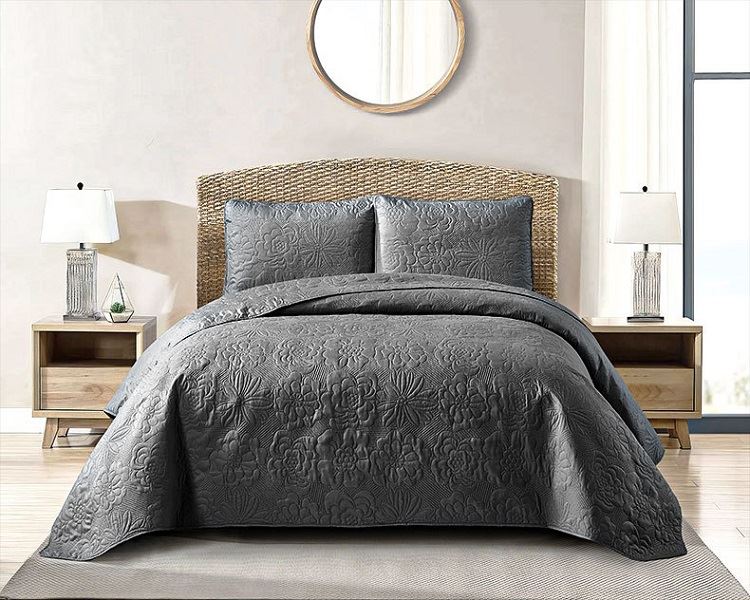

If you are in the market for a durable and high - quality quilt, we invite you to explore our range of ultrasonic quilts. We are confident that you will be impressed with the quality and longevity of our products. Whether you are a retailer looking to stock our products or an individual consumer looking for a new quilt for your home, we are ready to assist you. Contact us to discuss your procurement needs and start a partnership that will bring long - lasting comfort and style to your customers or your own living space.
References
- "Quilting Techniques: Traditional vs. Modern" - Textile Research Journal
- "The Science of Ultrasonic Bonding in Textiles" - Journal of Applied Polymer Science
- Customer testimonials and feedback from our ultrasonic quilt sales.