


Hey there! As a supplier of embroidered quilts, I've been in the business long enough to know that making these beautiful pieces isn't just about creativity and skill. Safety is a huge deal, too. So, let's chat about the safety precautions you should take when making an embroidered quilt.
1. Handling Tools
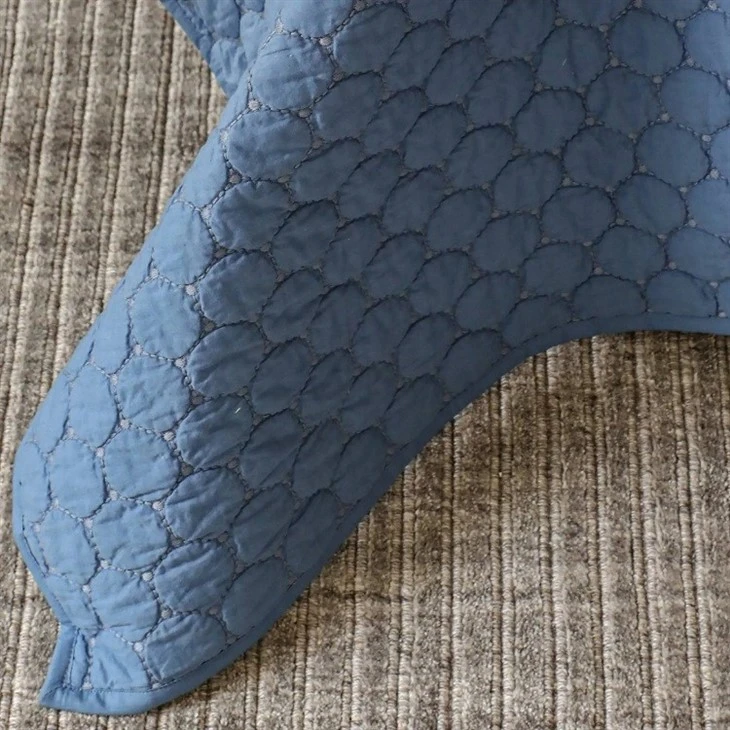
First off, we've got the tools. Needles are like the tiny warriors of the embroidery world, but they can also be pretty dangerous if not handled right. When you're threading a needle, make sure you're in a well - lit area. I can't tell you how many times I've seen people struggling to get that thread through the eye in a dim corner, and then they end up pricking their finger. A good pair of needle - threading tools can be a real lifesaver here. Check out our Embroidery Quilt Set Hexagon Pattern, and you'll see how precise needlework can create amazing designs.
Scissors are another tool that needs respect. Always cut in a clear area, away from your body and any other objects that could get in the way. Keep the sharp edges of your scissors covered when they're not in use. And never leave them lying around where someone could accidentally step on them or grab them without knowing.
2. Working Environment
Your workspace matters a lot. Make sure it's clean and organized. A cluttered area can lead to accidents. You might trip over loose threads or knock over a cup of hot tea onto your work. Keep your fabric and tools neatly arranged. If you're using an embroidery machine, give it enough space to operate safely. Don't block the ventilation ports, as overheating can not only damage the machine but also pose a fire risk.
Good lighting is crucial. Poor lighting can strain your eyes and make it hard to see what you're doing. You could end up making mistakes or, worse, hurting yourself. Use a bright, adjustable lamp to illuminate your work area.
3. Fabric and Materials
When it comes to the fabric and materials, there are a few things to keep in mind. Some fabrics can be flammable, so keep them away from open flames and heat sources. If you're using any chemicals like fabric dyes or adhesives, make sure you're in a well - ventilated area. Inhaling fumes from these chemicals can be really bad for your health.
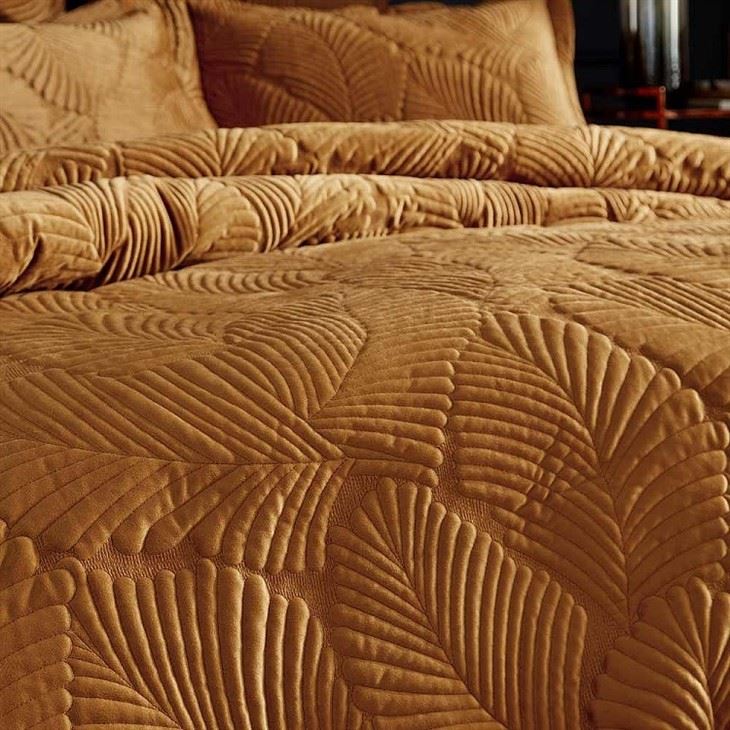
Check your materials for any sharp objects or rough edges. Sometimes, a piece of metal in a decorative element could cause a cut. And always wash new fabrics before you start working on them. They might have chemicals or dirt on them that you don't want to deal with later. Our Leaf Pattern Quilted Embroidered Quilt Set is made from high - quality, safe materials that you can trust.
4. Machine Safety
If you're using an embroidery machine, there are specific safety rules. Read the manual carefully before you start using it. Make sure you understand how to thread the machine correctly and how to operate all the controls. Don't try to force the machine to do something it's not designed for.
Keep your fingers away from the moving parts of the machine. The needle can move very fast, and a simple mistake can lead to a serious injury. And always unplug the machine when you're not using it or when you're cleaning it.
5. Ergonomics
Let's not forget about your body. Sitting in the same position for hours can cause back pain, neck pain, and other health problems. Make sure your chair is comfortable and provides good support. Adjust your work surface to a height that's right for you. Take breaks regularly to stretch your legs, arms, and back. You can do some simple exercises like rolling your shoulders or bending your neck gently.
6. Fire and Electrical Safety
As I mentioned earlier, fire safety is important. If you're using an iron to press your fabric, never leave it unattended. An iron left on can start a fire in no time. And make sure your electrical cords are in good condition. Frayed cords can be a shock hazard.
Keep a fire extinguisher nearby, just in case. It's better to be safe than sorry. You don't want to lose all your hard work in a fire.
7. Chemicals and Dyes
If you're using any chemicals or dyes in your embroidery process, be extra careful. Wear gloves to protect your hands from direct contact. And make sure you're following the instructions on the product labels. Some dyes might require special handling or ventilation.
8. Storage
When you're done with your work for the day, store your materials properly. Keep your needles and pins in a pin cushion or a container. This will prevent them from getting lost or causing injuries. Roll up your fabric neatly and store it in a dry place. Moisture can damage the fabric and cause mold to grow.
Conclusion
So, there you have it. Making an embroidered quilt is a wonderful and rewarding activity, but it's important to take these safety precautions. By following these tips, you can create beautiful quilts like our Solid Plaid Prewashed Microfiber Quilt without putting yourself at risk.
If you're interested in purchasing our high - quality embroidered quilts or want to discuss a custom order, feel free to reach out. We're always happy to chat and work with you to bring your ideas to life.
References
- Various industry safety guidelines for handicraft and textile work
- Personal experience in the embroidered quilt business