


Hey there! As a supplier of printed quilts, I often get asked this question: "Are printed quilts machine-washable?" Well, let's dive right into it and find out.
First off, it's important to understand that not all printed quilts are created equal. The machine-washability of a printed quilt depends on several factors, including the type of fabric, the printing method, and the quality of the dyes used.
Fabric Matters
Most of the printed quilts I supply are made from cotton. Cotton is a great choice because it's breathable, soft, and relatively easy to care for. In general, cotton printed quilts are machine-washable, but there are some things to keep in mind.
If the quilt has a high thread count, it's usually more durable and can withstand machine washing better. For example, a quilt with a thread count of 300 or higher is likely to hold up well in the wash. On the other hand, a lower thread count quilt might be a bit more delicate and could potentially fray or lose its shape if not washed properly.
Printing Methods
There are different ways to print designs on quilts, and each method can affect the washability.
- Direct Printing: This is a common method where the design is printed directly onto the fabric. If high-quality inks and dyes are used, direct-printed quilts can usually be machine-washed without too many issues. However, cheaper inks might fade or bleed in the wash.
- Digital Printing: Digital printing offers a high level of detail and color accuracy. Many of our Cotton Digital Printed Quilt Set are designed to be machine-washable. The inks used in digital printing are often more fade-resistant compared to traditional methods. But again, it's important to follow the care instructions.
- Screen Printing: Screen printing involves pressing ink through a stencil onto the fabric. While screen-printed quilts can look really cool, they might be a bit more sensitive to washing. The ink can crack or peel if the quilt is washed too vigorously or in hot water.
Dye Quality
The quality of the dyes used in the printing process is crucial. High-quality dyes are more likely to be colorfast, which means they won't fade or bleed when washed. When we source our printed quilts, we always look for suppliers who use good-quality dyes to ensure that our customers get a product that will last.
Tips for Machine-Washing Printed Quilts
If you've decided to machine-wash your printed quilt, here are some tips to keep in mind:
- Read the Care Label: This might seem obvious, but it's the most important step. The care label will give you specific instructions on how to wash the quilt, including the recommended water temperature, cycle type, and whether to use bleach or not.
- Use a Gentle Cycle: To protect the fabric and the print, always use a gentle cycle on your washing machine. This will minimize the agitation and reduce the risk of damage.
- Cold Water: Wash the quilt in cold water. Hot water can cause the fabric to shrink and the dyes to fade. Cold water is also better for the environment!
- Mild Detergent: Use a mild, fragrance-free detergent. Harsh detergents can damage the fabric and the print. Avoid using bleach unless the care label specifically says it's okay.
- Separate Colors: Wash the quilt separately or with similar colors to prevent color bleeding. If the quilt is new, it's a good idea to wash it alone for the first few times to see if any dye bleeds.
- Don't Overload the Machine: Make sure there's enough space in the washing machine for the quilt to move around freely. Overloading the machine can cause the quilt to get tangled and damaged.
- Air Dry or Tumble Dry on Low: After washing, it's best to air dry the quilt. If you need to use a dryer, use a low heat setting. High heat can shrink the fabric and damage the print.
Examples of Machine-Washable Printed Quilts
We have a great selection of printed quilts that are designed to be machine-washable. Here are a few examples:
- Sweet Floral Printed Cotton Quilt Set: This beautiful quilt set features a lovely floral design printed on soft cotton fabric. It's perfect for adding a touch of elegance to your bedroom. And thanks to the high-quality dyes and printing method, it can be easily machine-washed.
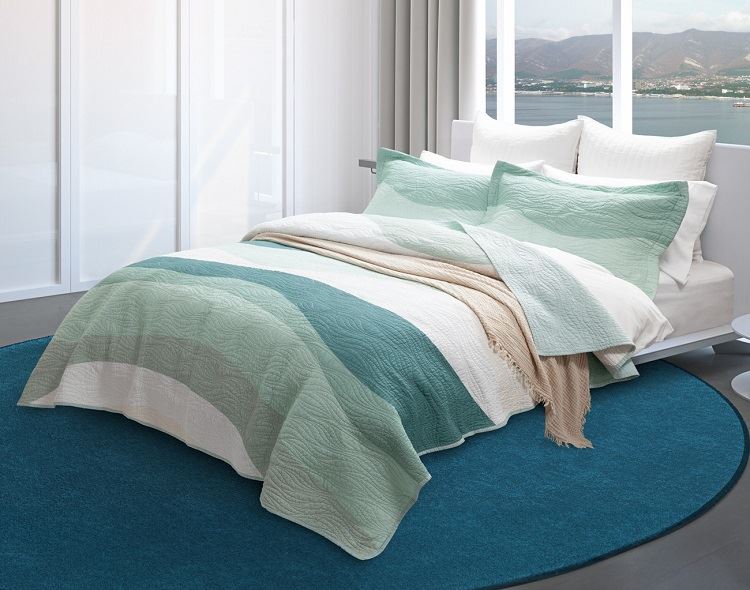
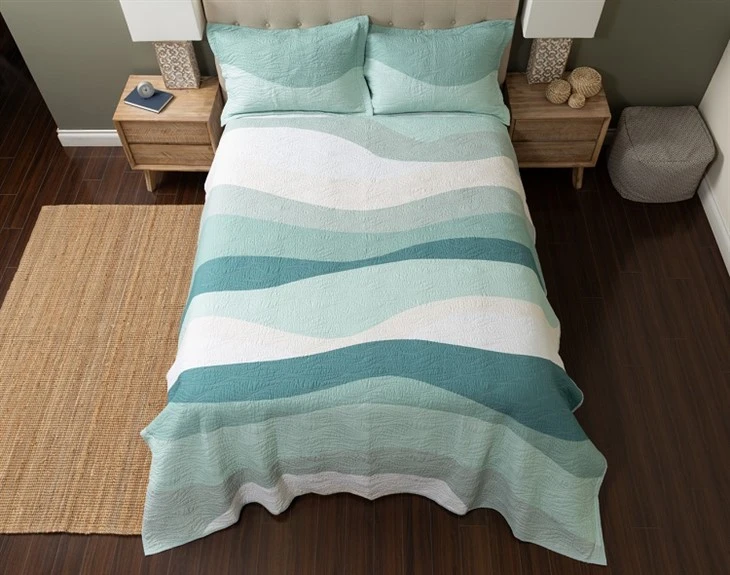
- Ocean Waves Print Cotton Quilt Set: The ocean waves design on this quilt set is really eye-catching. The cotton fabric is durable, and the print is colorfast, so you can enjoy this quilt for years to come. Just follow the care instructions, and you'll have no problem keeping it clean.
When to Avoid Machine-Washing
While many printed quilts are machine-washable, there are some situations where it's better to avoid machine washing:
- Antique or Heirloom Quilts: If you have an antique or heirloom printed quilt, it's best to have it professionally cleaned. These quilts are often very delicate and can be easily damaged in a washing machine.
- Quilts with Embellishments: Quilts with beads, sequins, or other embellishments should be hand-washed or dry-cleaned. Machine washing can cause the embellishments to come loose or get damaged.
- Quilts with Fading or Bleeding Issues: If you notice that the print on your quilt is already fading or bleeding, it's a sign that the dyes are not colorfast. In this case, it's best to avoid machine washing and consult a professional cleaner.
Conclusion
So, are printed quilts machine-washable? The answer is: it depends. Most of the printed quilts we supply, like our Cotton Digital Printed Quilt Set, Sweet Floral Printed Cotton Quilt Set, and Ocean Waves Print Cotton Quilt Set, are designed to be machine-washable as long as you follow the care instructions. By understanding the factors that affect washability and following our tips, you can keep your printed quilt looking great for years to come.
If you're interested in purchasing printed quilts for your store or personal use, we'd love to hear from you. Contact us to start a procurement discussion and explore our wide range of high-quality printed quilts.
References
- Textile Institute. "Care and Maintenance of Printed Textiles." Journal of Textile Science, Vol. 15, Issue 2, 2020.
- American Quilt Study Group. "Quilt Care Guidelines." Publication No. 123, 2019.